
Edmund Hillary, Tenzing Norgay and the Birth of the Rolex Explorer
Few watches are connected to exploration as closely as the Rolex Explorer.
Its story reaches back to one of the defining adventures of the 20th century: the first successful ascent of Mount Everest by Sir Edmund Hillary and Tenzing Norgay in 1953.
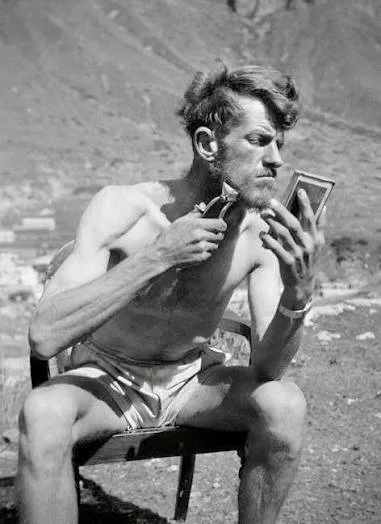
This wasn't a world of lightweight Gore-Tex jackets, satellite communications and GPS navigation. Himalayan mountaineering was heavy, dangerous and uncertain. Equipment had to survive bitter cold, violent weather, enormous changes in altitude and weeks of punishment.
For Rolex, Everest became the ultimate testing ground.
Rolex Goes to the Himalayas
Rolex's involvement with high-altitude exploration actually began well before Hillary and Tenzing reached Everest.
Beginning in the 1930s, the company supplied Oyster watches to Himalayan expeditions. Rather than relying solely on laboratory testing, Rolex used expeditions as a way of learning how its watches performed in extreme real-world environments.
Mountaineers would take the watches into the mountains and provide information about their performance after returning.
It was an early example of a philosophy Rolex would continue for decades: put a watch in the environment for which it was intended and learn from the people actually using it.
Everest would become the greatest test of all.
May 29, 1953
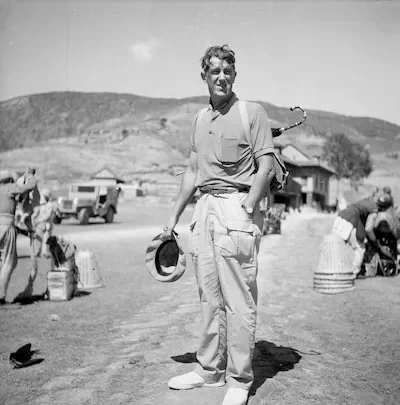
The 1953 British Mount Everest expedition was led by Colonel John Hunt and included New Zealand beekeeper and mountaineer Edmund Hillary and experienced Himalayan climber Tenzing Norgay.
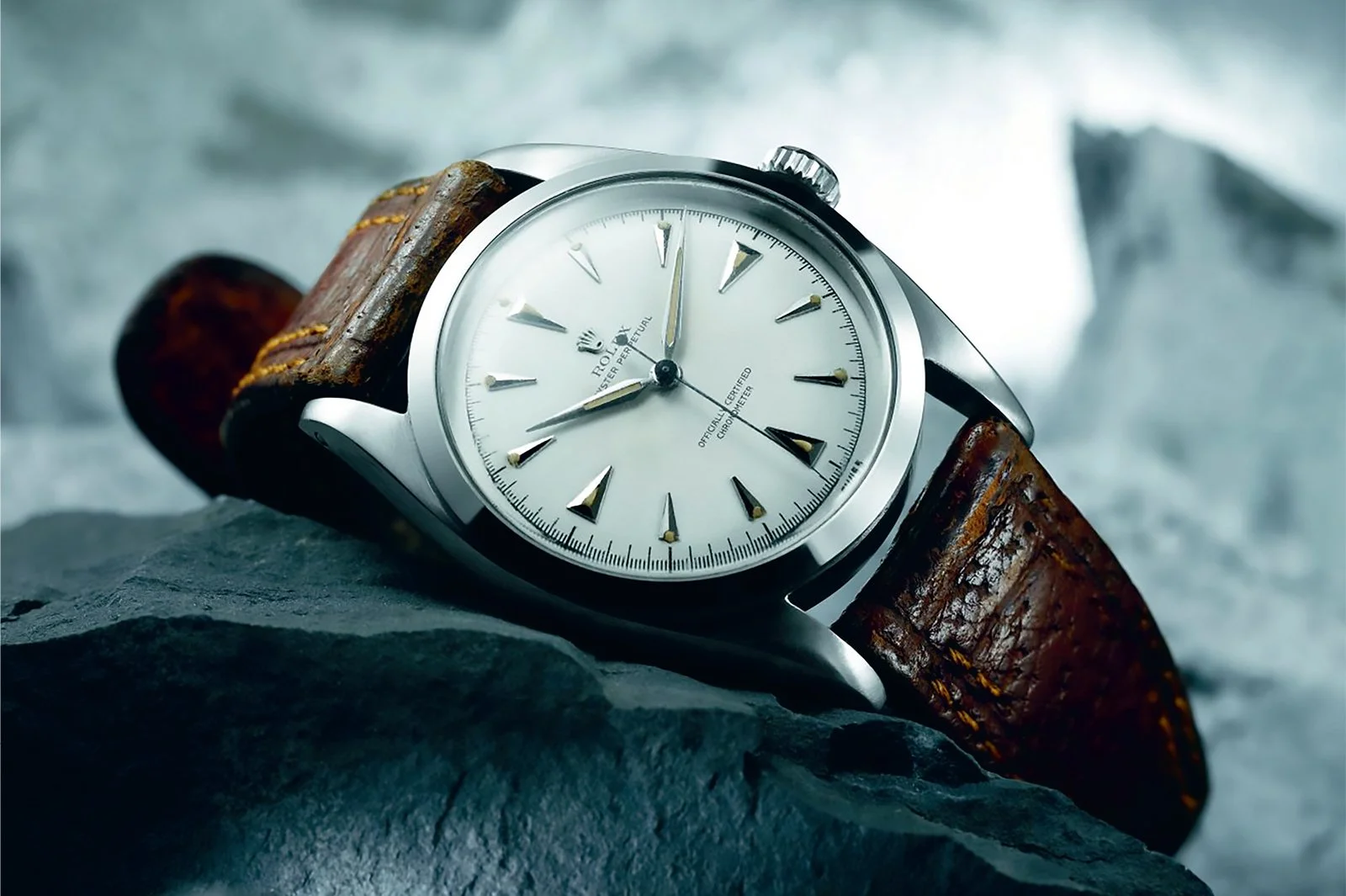
The expedition was equipped with Rolex Oyster Perpetual watches.
On the morning of May 29, Hillary and Tenzing left their high camp for the summit.
At approximately 11:30 a.m., they reached the highest point on Earth—8,848 meters, or 29,029 feet above sea level.
They had accomplished something generations of mountaineers had attempted and failed to do.
Hillary famously photographed Tenzing standing on the summit holding his ice axe, flags flying from it against the Himalayan sky.
There was no elaborate celebration.
They took photographs, looked for evidence of previous climbers, left small offerings and began the dangerous journey back down.
The entire world would soon know their names.
The Rolex Explorer Is Born
Later in 1953, Rolex introduced the Explorer in the wake of the successful Everest expedition.
The watch embodied everything Rolex had learned from years of sending Oyster watches into the mountains.
There was no rotating bezel, chronograph or complicated instrument display.
Instead, the Explorer was intentionally simple.
A strong Oyster case.
An automatic movement.
A highly legible black dial.
And the distinctive 3, 6 and 9 numerals that would eventually become one of the most recognizable dial designs in watchmaking.
The Explorer wasn't designed to look luxurious.
It was designed to be readable, dependable and tough.
That simplicity became its identity.
Was a Rolex Explorer Actually Worn on the Summit?
This is where the history becomes more interesting than the advertising.
You'll frequently hear that Hillary and Tenzing climbed Everest wearing Rolex Explorers.
Technically, that's not quite correct.
The Explorer as we know it was introduced following the Everest achievement. The 1953 expedition itself was supplied with Rolex Oyster Perpetual watches that helped contribute to the development and reputation of what became the Explorer.
The exact watches associated with Hillary, Tenzing and the summit have also generated considerable debate among watch historians.
What isn't in dispute is the larger connection.
Rolex had been supplying watches to Himalayan expeditions for years, the 1953 British Everest expedition carried Oyster Perpetual watches, and Rolex launched the Explorer in the aftermath of Hillary and Tenzing's historic achievement.
The Explorer therefore wasn't simply given an adventure-themed name.
Its identity grew directly out of Rolex's involvement with actual exploration.
A Different Kind of Luxury Watch
That history explains why the Explorer still feels different from many luxury watches.
It is remarkably understated.
For decades, the classic Explorer was essentially a stainless-steel watch with a black dial, three Arabic numerals and an Oyster bracelet.
Someone unfamiliar with watches could easily overlook it.
And that is arguably the entire point.
The Explorer was never supposed to announce wealth across a room. Its appeal came from what it represented: reliability, simplicity and the idea that a watch should be capable of accompanying its owner somewhere difficult.
It belonged on a mountain before it belonged in a display case.
Hillary and Tenzing
The watch story should never overshadow the two men at the center of it.
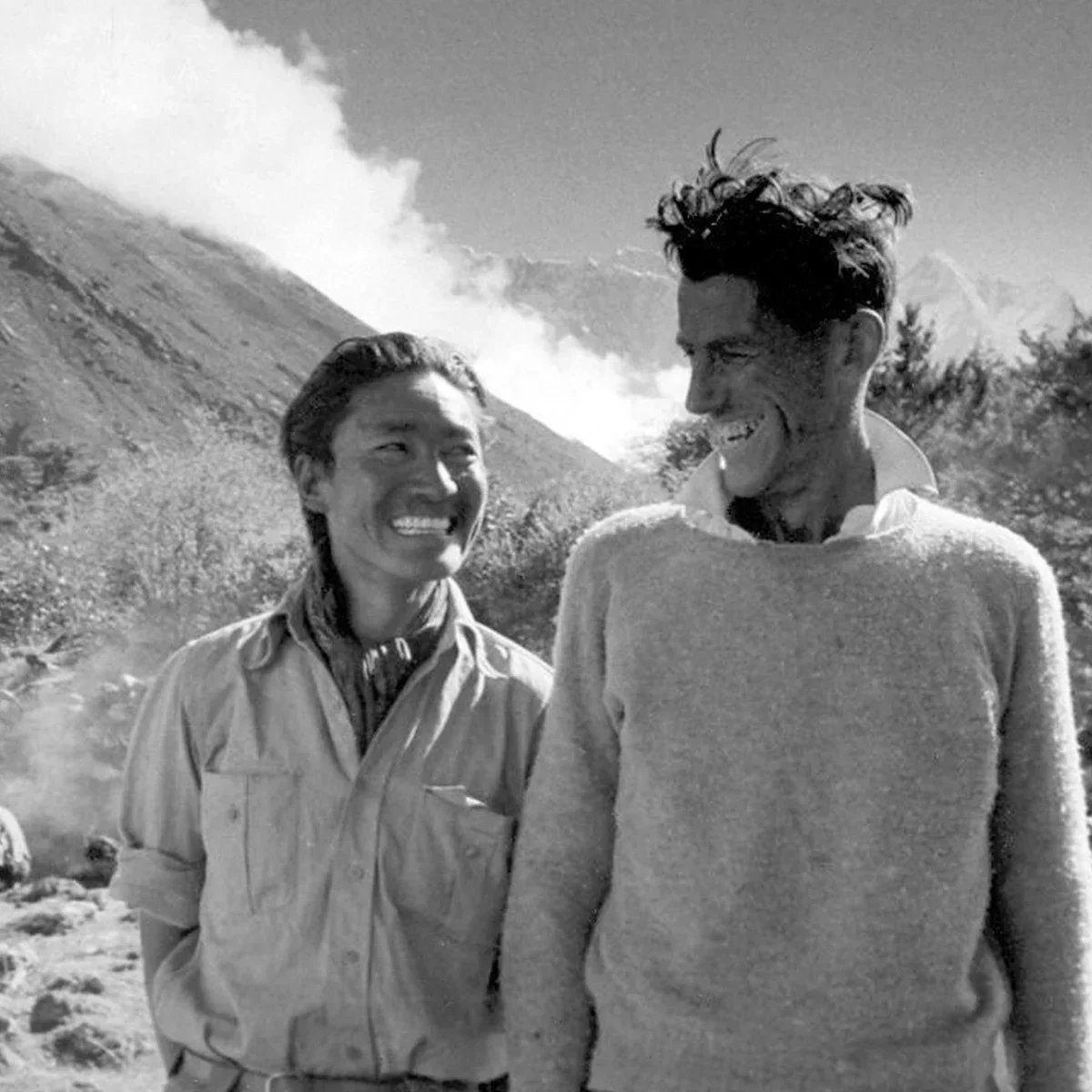
Edmund Hillary and Tenzing Norgay came from very different worlds, yet together they accomplished something that had defeated some of the greatest mountaineers of the previous half-century.
Their partnership became one of the enduring images of exploration.
Hillary would spend much of his later life supporting communities in Nepal through the Himalayan Trust, helping establish schools, hospitals and other infrastructure.
Tenzing became one of the most famous mountaineers in the world and an enduring symbol of the extraordinary contribution made by Sherpas to Himalayan exploration.
Their ascent transformed mountaineering history.
It also helped create one of the most enduring identities in watchmaking.
A Watch With a Story Worth Remembering
Today, Rolex makes watches that are considerably more complicated, more expensive and more immediately recognizable.
Yet the Explorer remains one of the purest Rolex designs.
Its black dial and simple 3-6-9 layout still carry the DNA of a watch intended to function when conditions become difficult.
That is why the Explorer's connection to Everest remains important more than seven decades later.
It reminds us of an era when watches weren't merely photographed beside mountains for advertising campaigns.
They were sent up the mountain.
And on May 29, 1953, Edmund Hillary and Tenzing Norgay reached the top of the world—helping inspire the Rolex Explorer that would forever carry the spirit of that achievement.
Quisque iaculis facilisis lacinia. Mauris euismod pellentesque tellus sit amet mollis.