Blood Diamond Breitling: Danny Archer's Watch | Watch Noble

Blood Diamond and the Breitling Chrono Avenger: The Watch of Danny Archer

Some movie watches feel like product placement. Others feel as though they genuinely belong to the character wearing them.

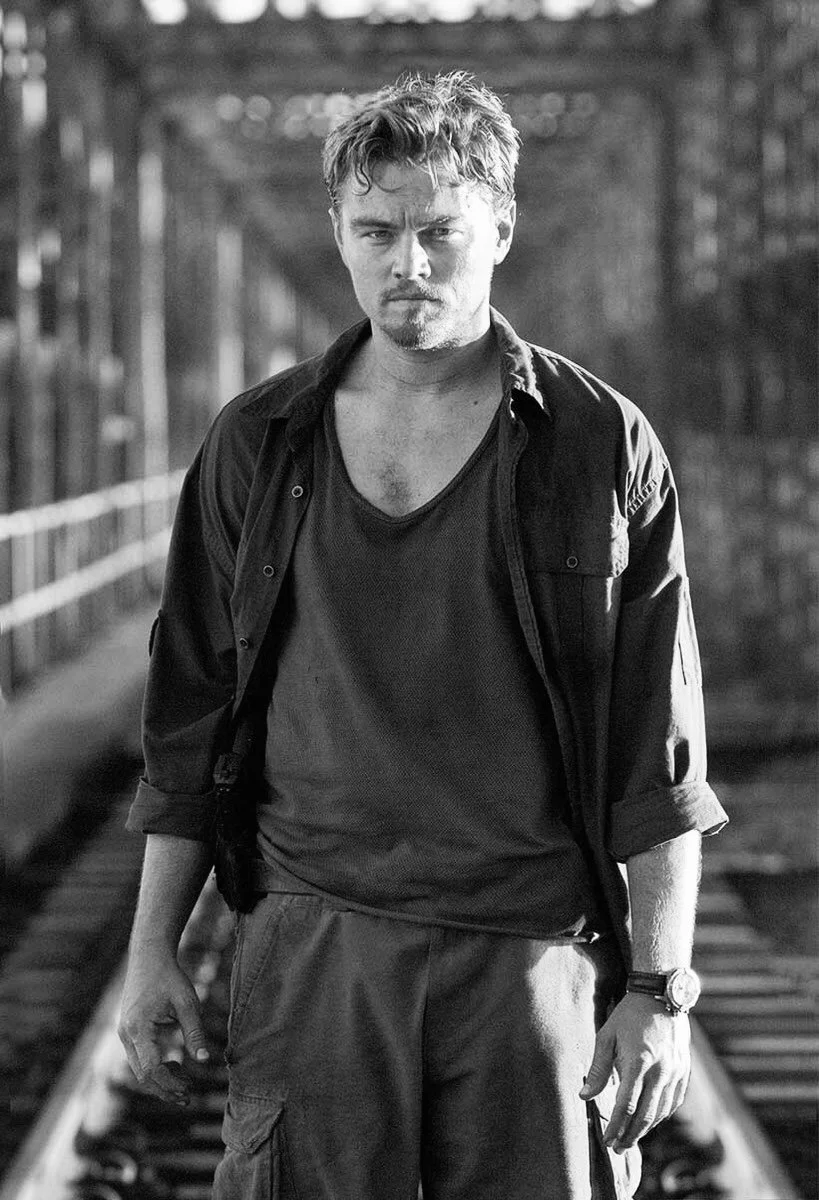
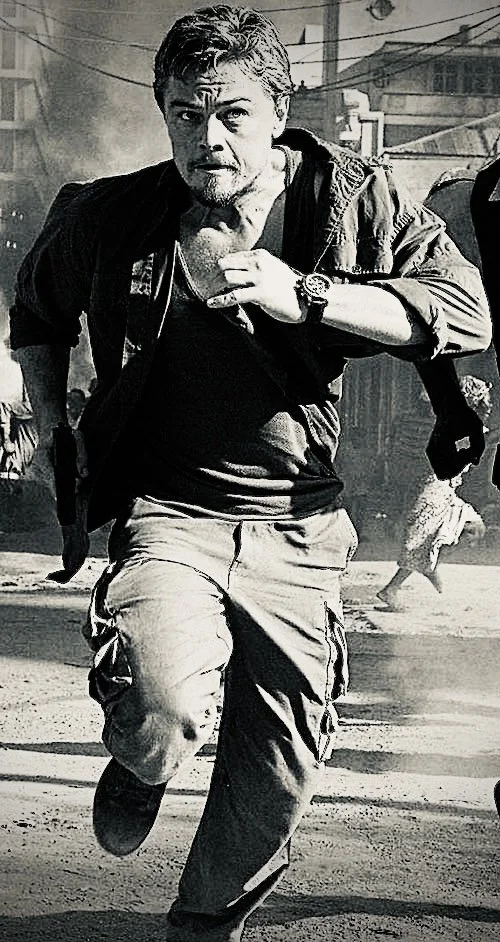
The Breitling worn by Leonardo DiCaprio as Danny Archer in Blood Diamond is firmly in the second category.

Released in 2006 and set against the brutal Sierra Leone Civil War of the 1990s, Blood Diamond follows Archer, a former soldier and diamond smuggler navigating a world of mercenaries, weapons, conflict diamonds and shifting loyalties.

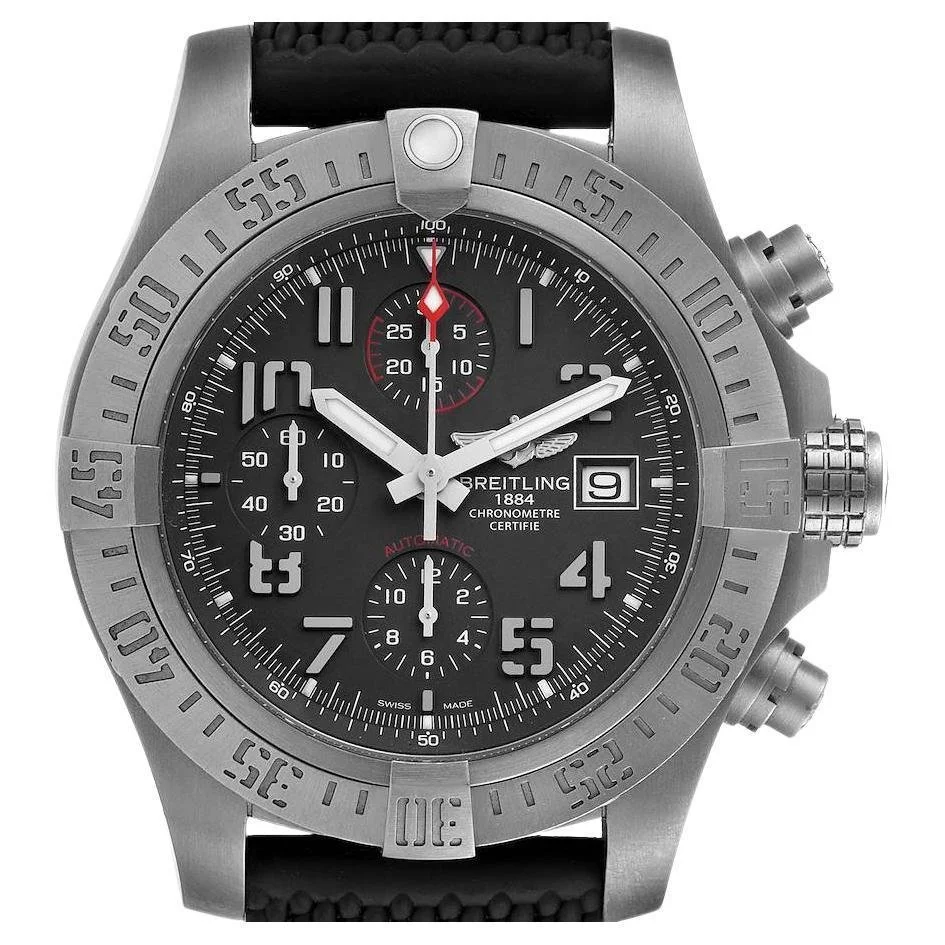
On his wrist is a Breitling Chrono Avenger.

It is exactly the sort of watch you could imagine a man like Danny Archer choosing.

The Breitling Chrono Avenger

The Chrono Avenger came from an era when Breitling's watches were unapologetically large, technical and heavily influenced by aviation and professional equipment.

Rather than polished elegance, the Chrono Avenger emphasized utility. Its lightweight titanium case, chronograph, rotating bezel, bold dial and highly legible markings gave it the appearance of an instrument rather than traditional jewelry.

That aesthetic made Breitling particularly popular with pilots, military personnel and people attracted to serious tool watches during the 1990s and 2000s.

On Danny Archer's wrist, the watch doesn't look out of place.

It looks used.

A Watch That Fits the Character

Danny Archer is not portrayed as a conventional action hero.

He's a former Rhodesian soldier who has become a smuggler and mercenary operating throughout Africa. He understands weapons, aircraft, soldiers, borders and the black markets created by war.

Everything he carries needs to work.

That is precisely why the Breitling fits him.

A traditional dress watch would seem absurd. Even a highly polished luxury sports watch might feel too conspicuous.

The titanium Chrono Avenger has a different personality.

It's large enough to read quickly, light for its size and rugged enough to look believable on the wrist of someone spending his days traveling through checkpoints, riding in aircraft and moving through a war zone.

The watch reinforces the character without needing to be explained.

Breitling's Rougher Side

Today, luxury watches are often associated with boutiques, waiting lists and collectors carefully protecting watches from scratches.

Breitling's image during this period could feel very different.

The brand had strong associations with aviation and professional instruments, and its oversized titanium watches developed a following among pilots, military personnel and others who wanted something substantial and functional.

The Chrono Avenger captured that era particularly well.

It wasn't subtle.

It wasn't especially elegant.

And it wasn't trying to be.

The large pushers, rider-tab bezel, titanium construction and complicated dial made it look like equipment.

That is exactly what Danny Archer needed.

Leonardo DiCaprio's Breitling in Blood Diamond

One reason the watch has become memorable among collectors is that it appears naturally throughout the film.

DiCaprio doesn't stop and explain the watch. There isn't an obvious glamour shot announcing the brand.

It's simply there on Archer's wrist as part of his equipment.

That can make a movie watch far more convincing.

The best watch appearances in film often work this way. The watch tells us something about the person wearing it before we consciously think about the brand.

James Bond's watches suggest diving, travel and espionage.

Steve McQueen's watches became connected with motorsport.

Danny Archer's Breitling suggests aircraft, military equipment and the rough world of private operators and mercenaries.

Whether intentional or not, it is remarkably effective casting for a watch.

A Different Kind of Movie Watch

The luxury-watch world tends to remember glamorous film appearances.

A tuxedo, a casino and an expensive watch are an easy combination.

Blood Diamond gives us almost the opposite.

Dust.

Sweat.

Military vehicles.

AK-47s.

Cargo aircraft.

African heat.

And a battered-looking titanium Breitling strapped to the wrist of a diamond smuggler.

That environment arguably makes the watch more interesting.

The Chrono Avenger isn't being presented as a symbol of wealth. It becomes part of Archer's working kit.

For collectors who appreciate watches with military, aviation and adventure associations, that distinction matters.

When the Watch Becomes Part of the Character

There is a reason enthusiasts still notice Danny Archer's Breitling nearly two decades after Blood Diamond was released.

The watch and character simply make sense together.

The Chrono Avenger came from a period when Breitling produced some of its most aggressive professional watches—large titanium cases, aviation-inspired designs and watches that seemed perfectly comfortable getting scratched.

Danny Archer inhabits that same world.

Dangerous, practical and rough around the edges.

Many famous movie watches are remembered because the actor wearing them was famous.

The Breitling in Blood Diamond is memorable for another reason:

It looks like the watch Danny Archer would actually have worn.
Edmund Hillary, Tenzing Norgay & the Rolex Explorer | Watch Noble

Edmund Hillary, Tenzing Norgay and the Birth of the Rolex Explorer

Few watches are connected to exploration as closely as the Rolex Explorer.

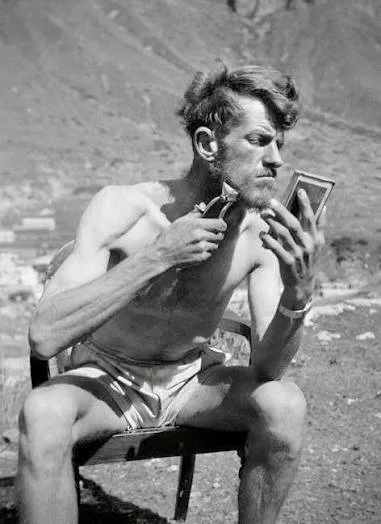
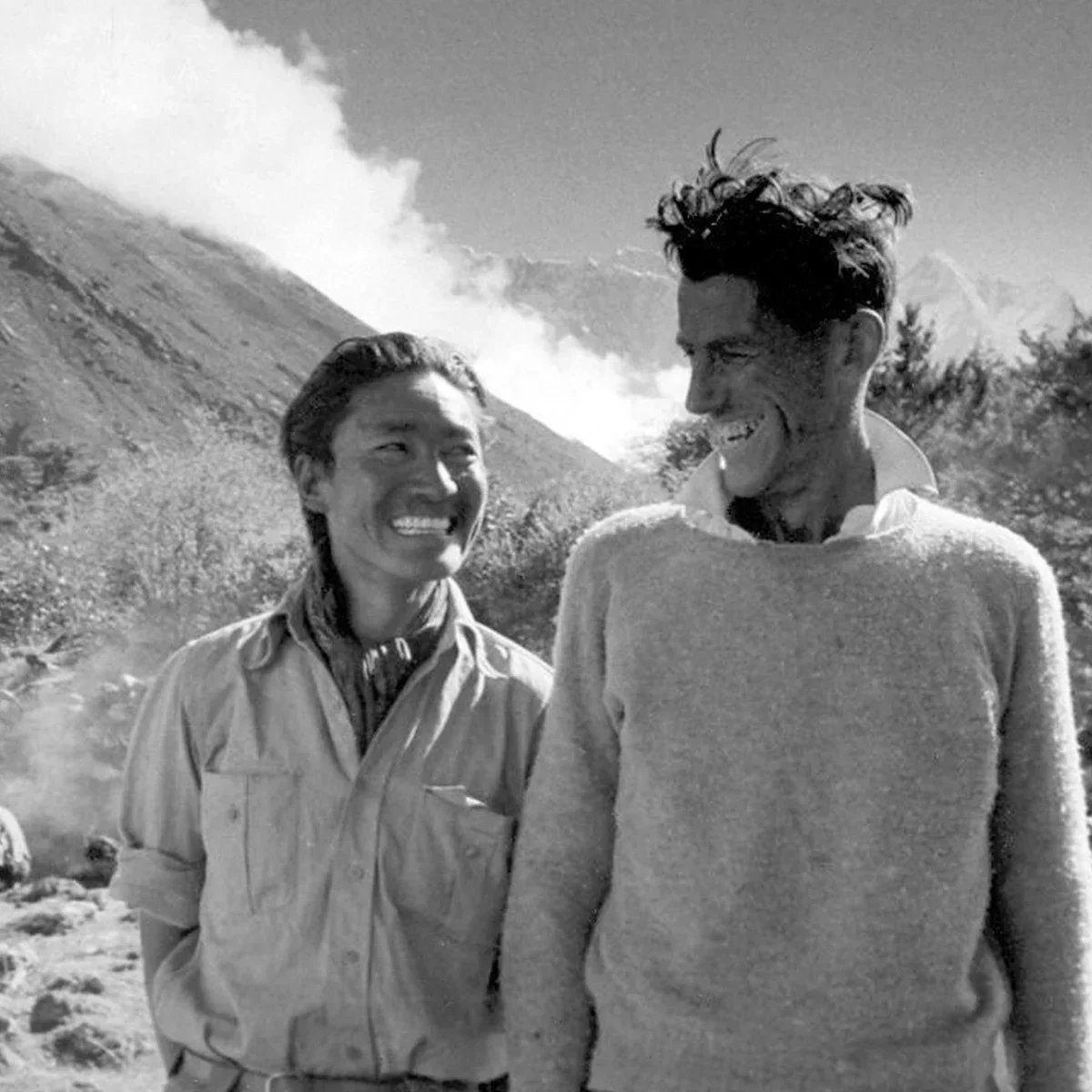
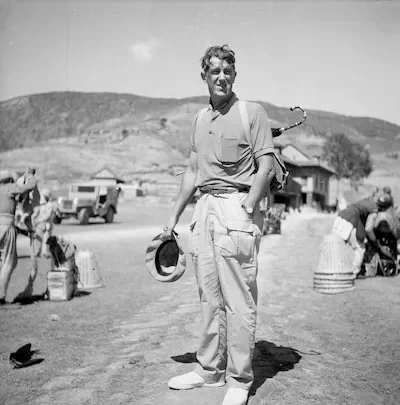
Its story reaches back to one of the defining adventures of the 20th century: the first successful ascent of Mount Everest by Sir Edmund Hillary and Tenzing Norgay in 1953.

This wasn't a world of lightweight Gore-Tex jackets, satellite communications and GPS navigation. Himalayan mountaineering was heavy, dangerous and uncertain. Equipment had to survive bitter cold, violent weather, enormous changes in altitude and weeks of punishment.

For Rolex, Everest became the ultimate testing ground.

Rolex Goes to the Himalayas

Rolex's involvement with high-altitude exploration actually began well before Hillary and Tenzing reached Everest.

Beginning in the 1930s, the company supplied Oyster watches to Himalayan expeditions. Rather than relying solely on laboratory testing, Rolex used expeditions as a way of learning how its watches performed in extreme real-world environments.

Mountaineers would take the watches into the mountains and provide information about their performance after returning.

It was an early example of a philosophy Rolex would continue for decades: put a watch in the environment for which it was intended and learn from the people actually using it.

Everest would become the greatest test of all.

May 29, 1953

The 1953 British Mount Everest expedition was led by Colonel John Hunt and included New Zealand beekeeper and mountaineer Edmund Hillary and experienced Himalayan climber Tenzing Norgay.

The expedition was equipped with Rolex Oyster Perpetual watches.

On the morning of May 29, Hillary and Tenzing left their high camp for the summit.

At approximately 11:30 a.m., they reached the highest point on Earth—8,848 meters, or 29,029 feet above sea level.

They had accomplished something generations of mountaineers had attempted and failed to do.

Hillary famously photographed Tenzing standing on the summit holding his ice axe, flags flying from it against the Himalayan sky.

There was no elaborate celebration.

They took photographs, looked for evidence of previous climbers, left small offerings and began the dangerous journey back down.

The entire world would soon know their names.

The Rolex Explorer Is Born

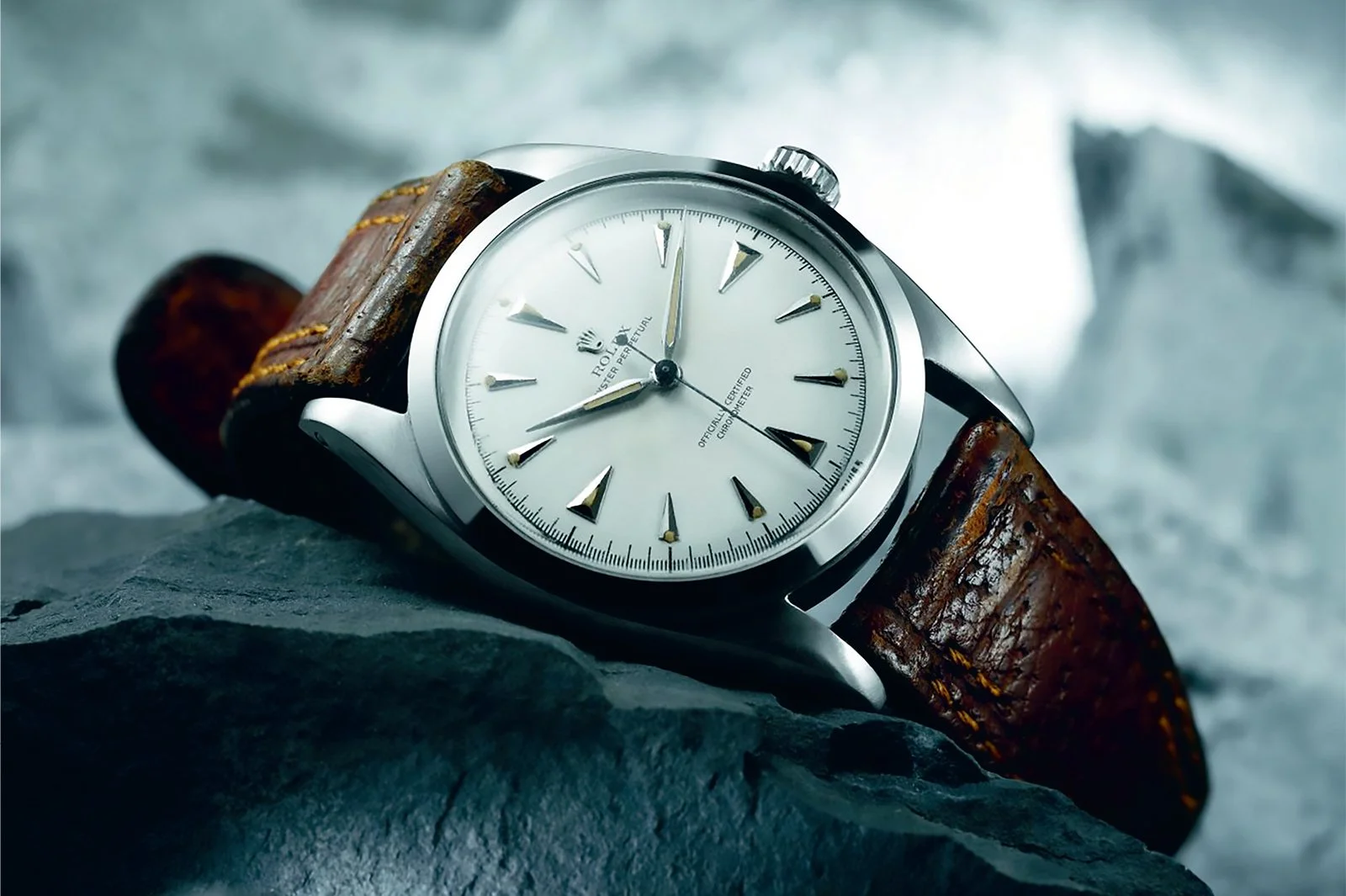
Later in 1953, Rolex introduced the Explorer in the wake of the successful Everest expedition.

The watch embodied everything Rolex had learned from years of sending Oyster watches into the mountains.

There was no rotating bezel, chronograph or complicated instrument display.

Instead, the Explorer was intentionally simple.

A strong Oyster case.

An automatic movement.

A highly legible black dial.

And the distinctive 3, 6 and 9 numerals that would eventually become one of the most recognizable dial designs in watchmaking.

The Explorer wasn't designed to look luxurious.

It was designed to be readable, dependable and tough.

That simplicity became its identity.

Was a Rolex Explorer Actually Worn on the Summit?

This is where the history becomes more interesting than the advertising.

You'll frequently hear that Hillary and Tenzing climbed Everest wearing Rolex Explorers.

Technically, that's not quite correct.

The Explorer as we know it was introduced following the Everest achievement. The 1953 expedition itself was supplied with Rolex Oyster Perpetual watches that helped contribute to the development and reputation of what became the Explorer.

The exact watches associated with Hillary, Tenzing and the summit have also generated considerable debate among watch historians.

What isn't in dispute is the larger connection.

Rolex had been supplying watches to Himalayan expeditions for years, the 1953 British Everest expedition carried Oyster Perpetual watches, and Rolex launched the Explorer in the aftermath of Hillary and Tenzing's historic achievement.

The Explorer therefore wasn't simply given an adventure-themed name.

Its identity grew directly out of Rolex's involvement with actual exploration.

A Different Kind of Luxury Watch

That history explains why the Explorer still feels different from many luxury watches.

It is remarkably understated.

For decades, the classic Explorer was essentially a stainless-steel watch with a black dial, three Arabic numerals and an Oyster bracelet.

Someone unfamiliar with watches could easily overlook it.

And that is arguably the entire point.

The Explorer was never supposed to announce wealth across a room. Its appeal came from what it represented: reliability, simplicity and the idea that a watch should be capable of accompanying its owner somewhere difficult.

It belonged on a mountain before it belonged in a display case.

Hillary and Tenzing

The watch story should never overshadow the two men at the center of it.

Edmund Hillary and Tenzing Norgay came from very different worlds, yet together they accomplished something that had defeated some of the greatest mountaineers of the previous half-century.

Their partnership became one of the enduring images of exploration.

Hillary would spend much of his later life supporting communities in Nepal through the Himalayan Trust, helping establish schools, hospitals and other infrastructure.

Tenzing became one of the most famous mountaineers in the world and an enduring symbol of the extraordinary contribution made by Sherpas to Himalayan exploration.

Their ascent transformed mountaineering history.

It also helped create one of the most enduring identities in watchmaking.

A Watch With a Story Worth Remembering

Today, Rolex makes watches that are considerably more complicated, more expensive and more immediately recognizable.

Yet the Explorer remains one of the purest Rolex designs.

Its black dial and simple 3-6-9 layout still carry the DNA of a watch intended to function when conditions become difficult.

That is why the Explorer's connection to Everest remains important more than seven decades later.

It reminds us of an era when watches weren't merely photographed beside mountains for advertising campaigns.

They were sent up the mountain.

And on May 29, 1953, Edmund Hillary and Tenzing Norgay reached the top of the world—helping inspire the Rolex Explorer that would forever carry the spirit of that achievement.

Erik Prince, Blackwater and the Breitling Emergency

Erik Prince, Blackwater and the Breitling Emergency

Some watches earn their reputation through advertising. Others earn it because they end up on the wrists of people working in places where equipment actually matters.

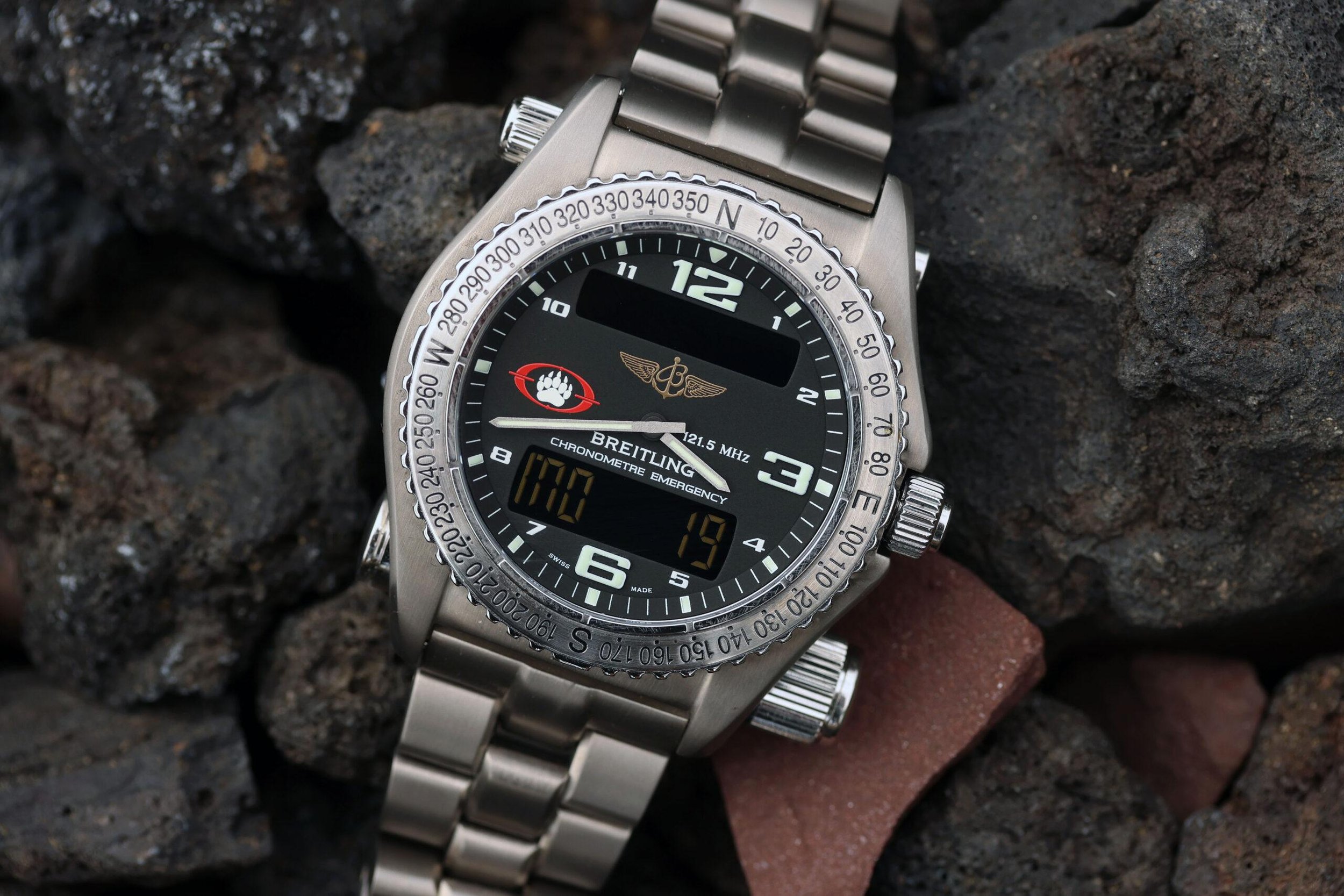
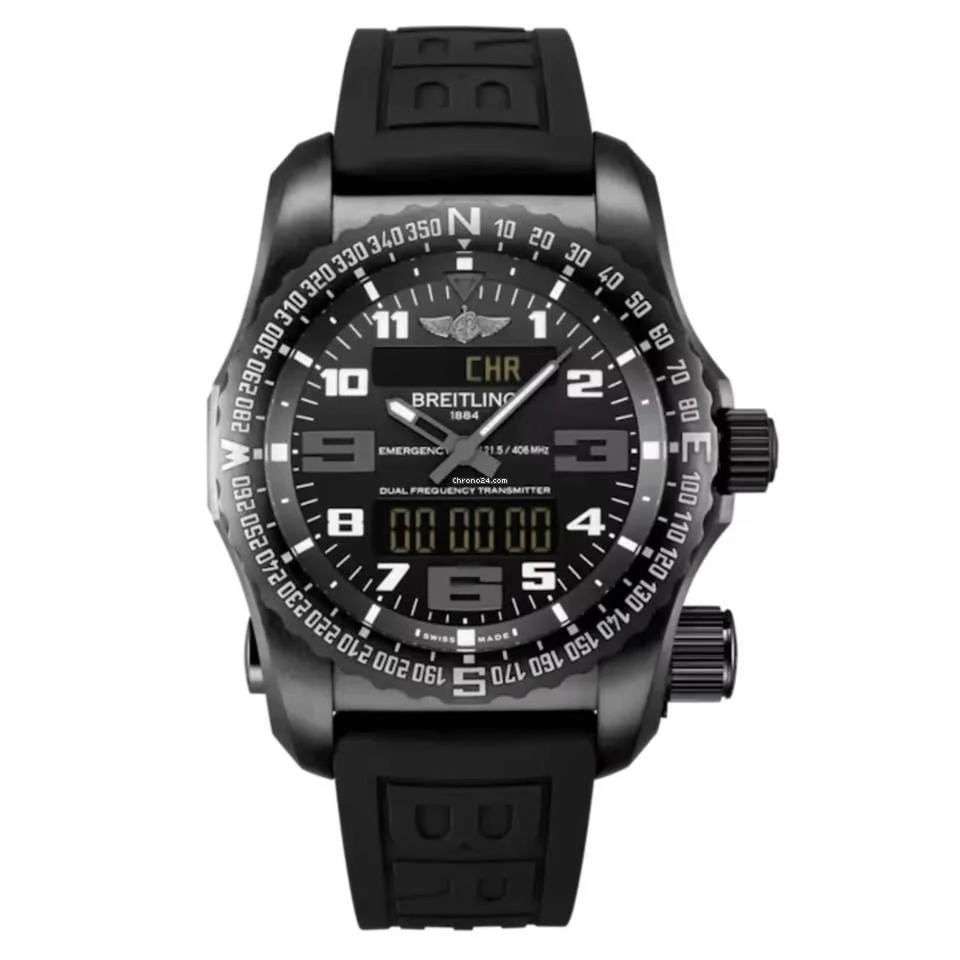
The Breitling Emergency belongs to the latter category, and one of the more unusual chapters in its history involves Erik Prince and Blackwater.

Prince, a former U.S. Navy SEAL, founded Blackwater in 1997. By the early 2000s, the company had become deeply involved in security and aviation operations in Iraq, Afghanistan and other high-risk environments. Its personnel frequently traveled by helicopter and fixed-wing aircraft across remote territory where a mechanical failure, crash or forced landing could quickly become a survival situation.

That environment made the Breitling Emergency unusually relevant.

A Watch That Could Call for Help

Breitling introduced the Emergency in the 1990s as a professional instrument aimed particularly at pilots and aircrews. It looked like the large titanium tool watches for which Breitling became famous during the period, but inside was something extraordinary.

The original Emergency contained a miniature emergency transmitter operating on the 121.5 MHz aviation distress frequency.

An antenna was concealed within the watch case. In an emergency, the wearer could deploy the antenna and activate the transmitter, giving search-and-rescue aircraft another means of locating him.

For most owners, that capability was something they would hopefully never use. For pilots and contractors traveling across Afghanistan, however, it wasn't difficult to imagine circumstances in which it might matter.

The Blackwater Connection

Prince saw the Emergency as more than an interesting piece of watch technology.

Following Blackwater's experiences operating aircraft in Afghanistan—including a fatal 2004 crash in mountainous terrain—the ability to locate personnel after an aviation accident was a very real concern.

Prince eventually arranged for a group of Breitling Emergency watches to be customized specifically for Blackwater.

Instead of an ordinary production dial, the watches carried Blackwater's distinctive bear-paw and crosshair insignia. Roughly 150 examples are generally reported to have been produced, making them an exceptionally small group compared with normal Breitling production.

The watches were distributed primarily among Blackwater personnel and leadership.

That gave the Emergency an interesting dual purpose. It was a recognition piece for people working for the company, but it was also functional equipment.

A gold retirement watch might commemorate someone's service.

The Blackwater Breitling could potentially help bring him home.

Erik Prince's Own Breitling

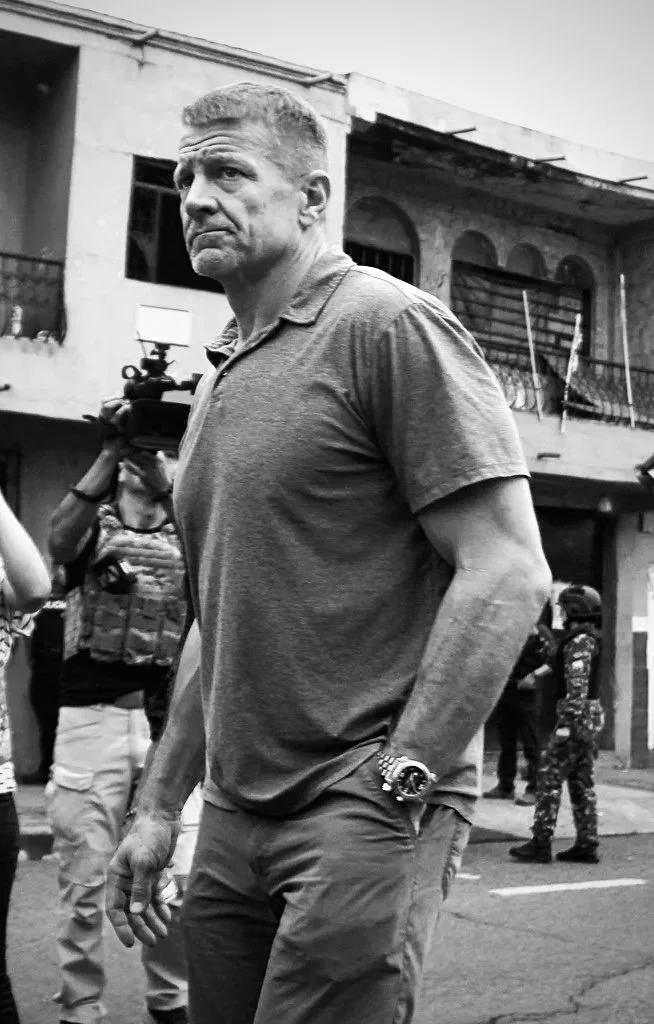
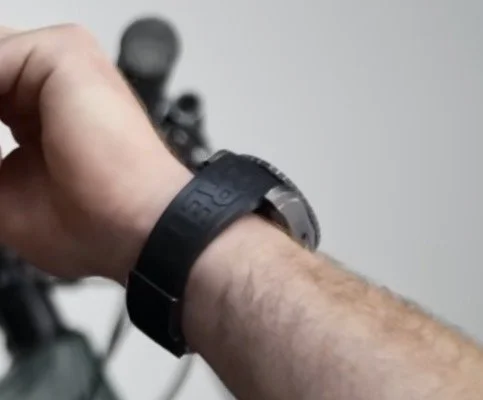
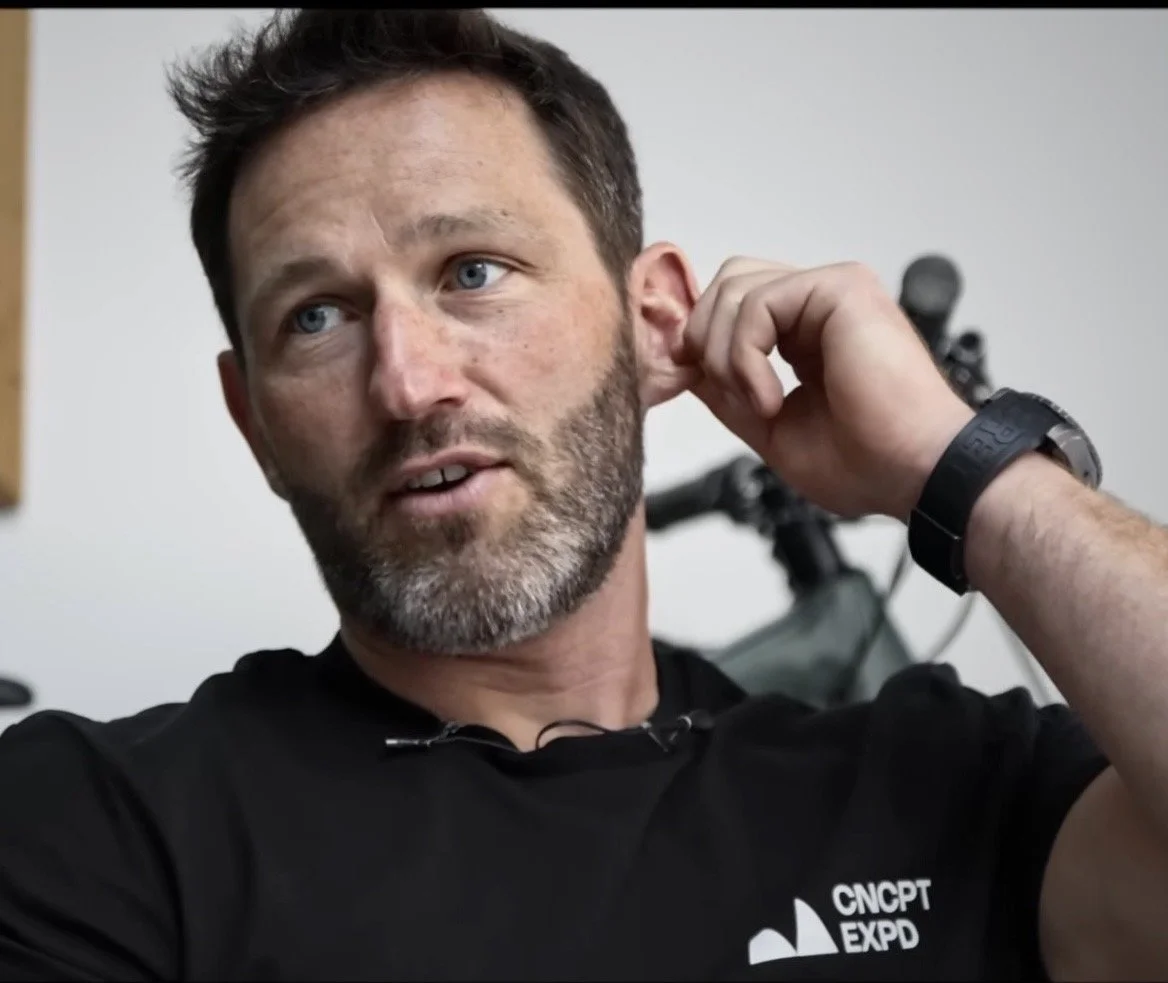
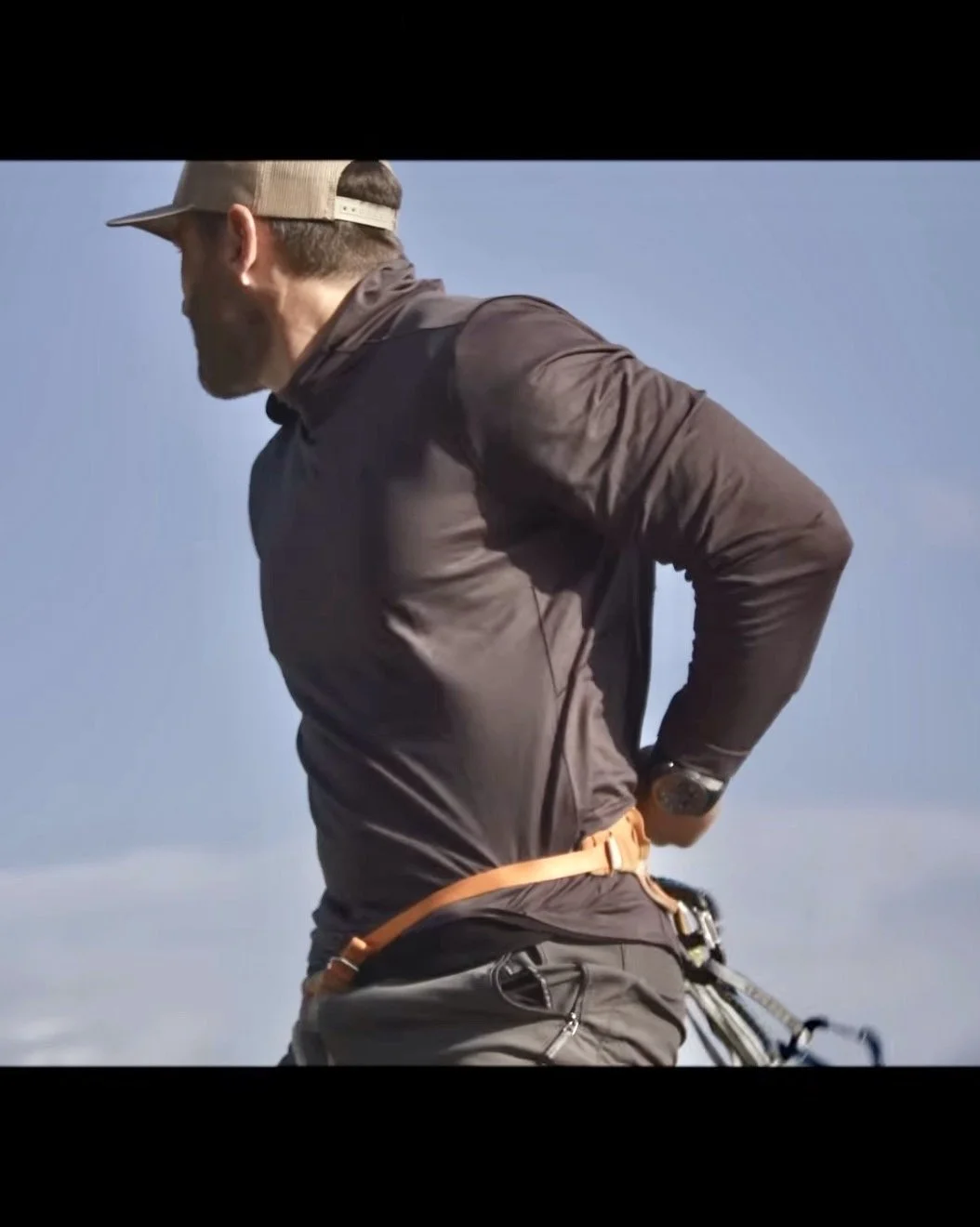
Prince himself has been photographed wearing a Blackwater Breitling Emergency, including in environments far removed from the typical luxury-watch setting.

That is part of what makes these watches interesting today.

They weren't produced decades later to commemorate Blackwater's history. They were ordered and worn while the organization was actively conducting operations overseas.

Examples that surface today therefore have an unusually direct provenance. Depending on the individual watch, the original owner may have been a pilot, contractor, executive or other Blackwater employee.

For collectors interested in military and aviation watches, that connection can be considerably more interesting than rarity alone.

Breitling's Tool-Watch Era

The story also represents a particular period in Breitling's history.

During the 1990s and early 2000s, Breitling leaned heavily into aviation and professional-use watches. Models such as the Aerospace, Emergency, Chrono Avenger and various professional chronographs were large, technical and purpose-built.

They also found their way onto the wrists of pilots, military personnel, special-operations veterans, security contractors and intelligence professionals.

The Emergency took that philosophy further than almost any luxury watch.

A dive watch could measure elapsed time underwater.

A chronograph could time an event.

The Emergency could transmit a distress signal.

That made it one of the rare luxury watches whose most remarkable feature had almost nothing to do with telling time.

A Small and Controversial Piece of Modern History

Blackwater's history is controversial, and any serious account of the company has to acknowledge that. Its operations during the wars in Iraq and Afghanistan generated intense political and public scrutiny, and its legacy continues to be debated.

The watch itself, however, is an interesting artifact from that period.

Only a relatively small number of Blackwater Emergencies were produced. They weren't created for the general public, nor were they simply watches carrying military-inspired graphics for marketing purposes.

They were commissioned for people operating in an environment where aircraft, remote terrain and genuine physical danger were part of the job.

That distinction matters.

Collectors often talk about the romance of the "tool watch"—the idea of Explorers climbing mountains, Submariners beneath the ocean or pilot's chronographs crossing continents.

The Blackwater Breitling represents a much more recent and considerably grittier version of the same idea.

Whatever one's opinion of Erik Prince or Blackwater, the watch has something that cannot easily be manufactured decades later:

It was there.

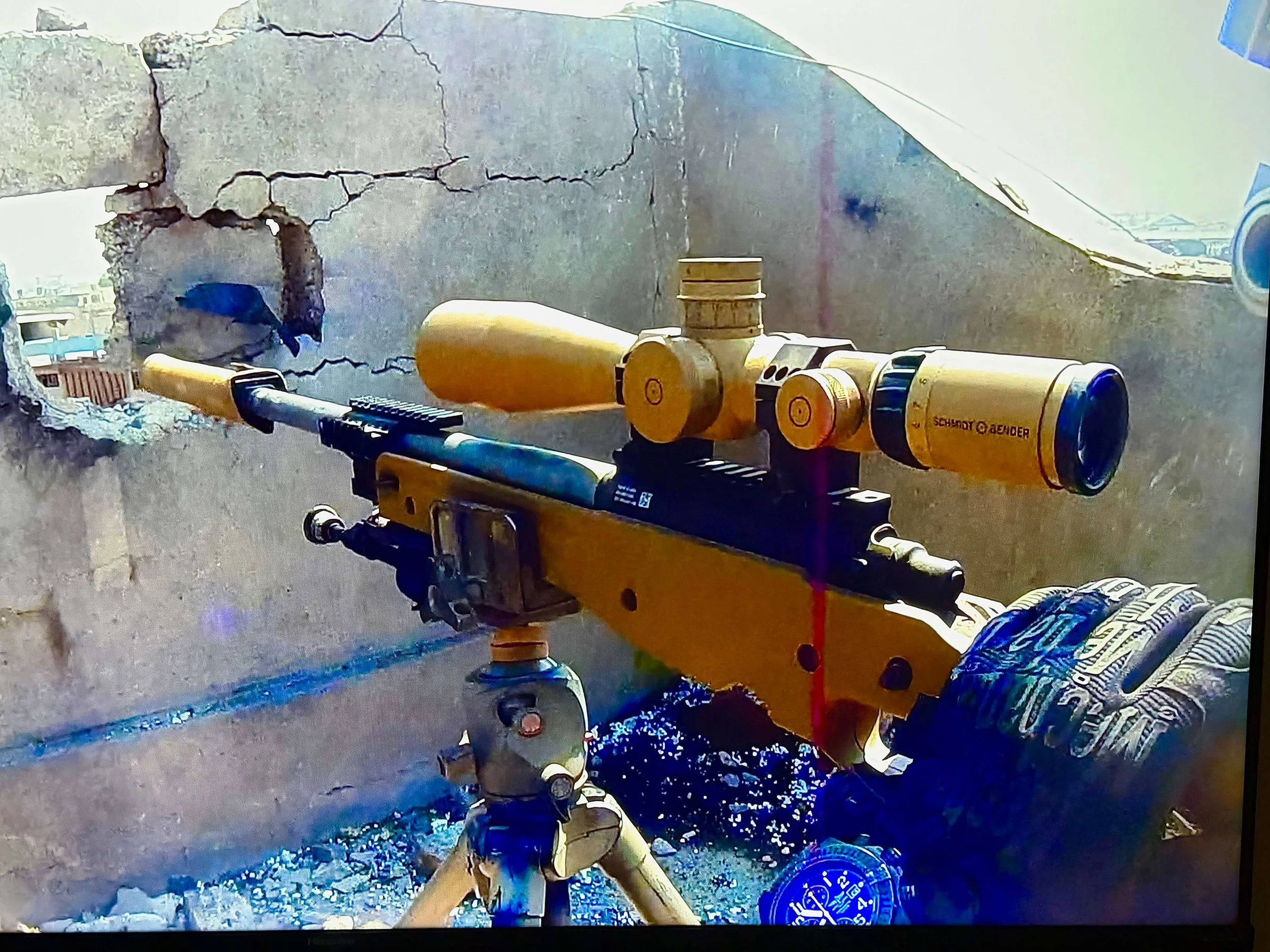
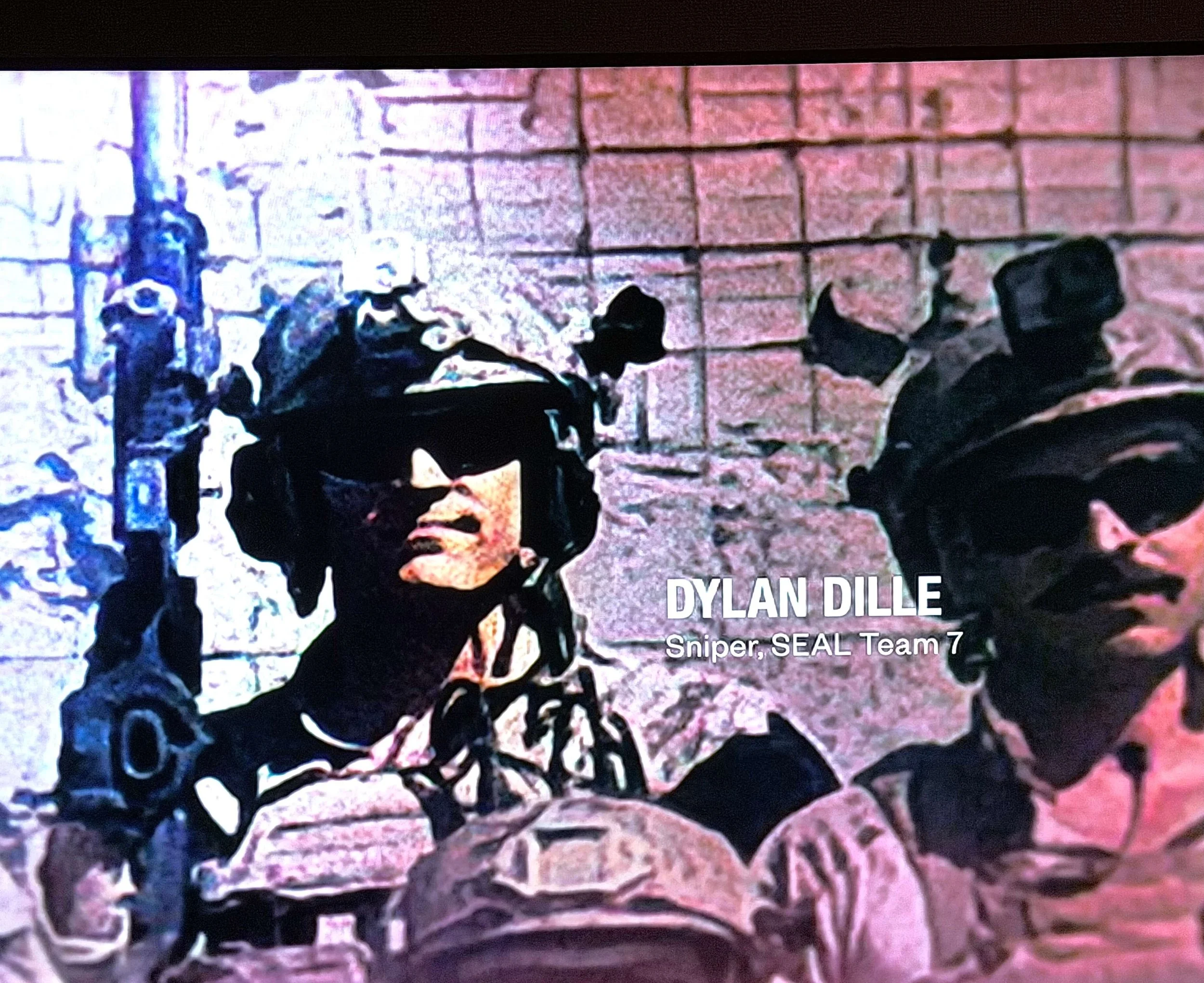
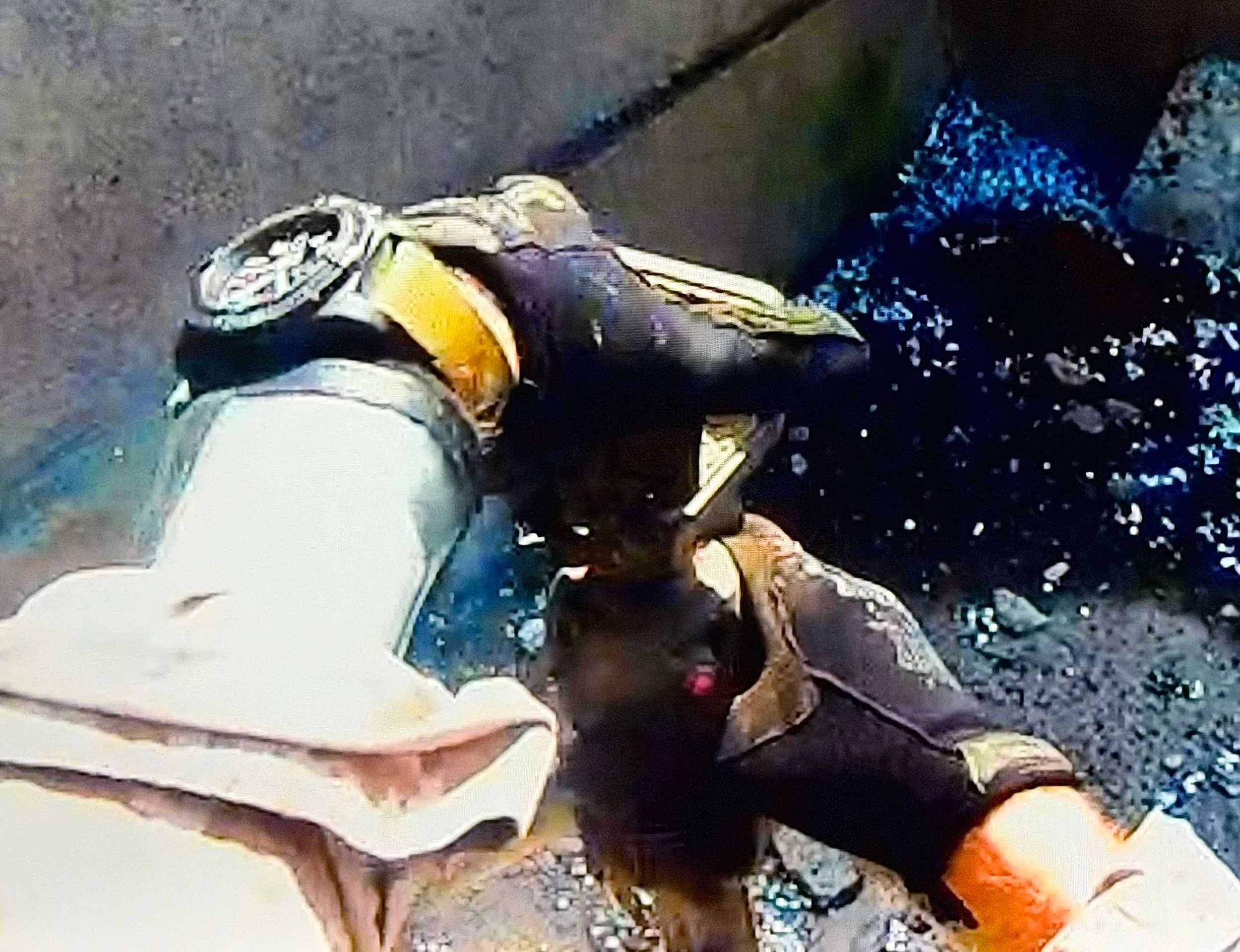
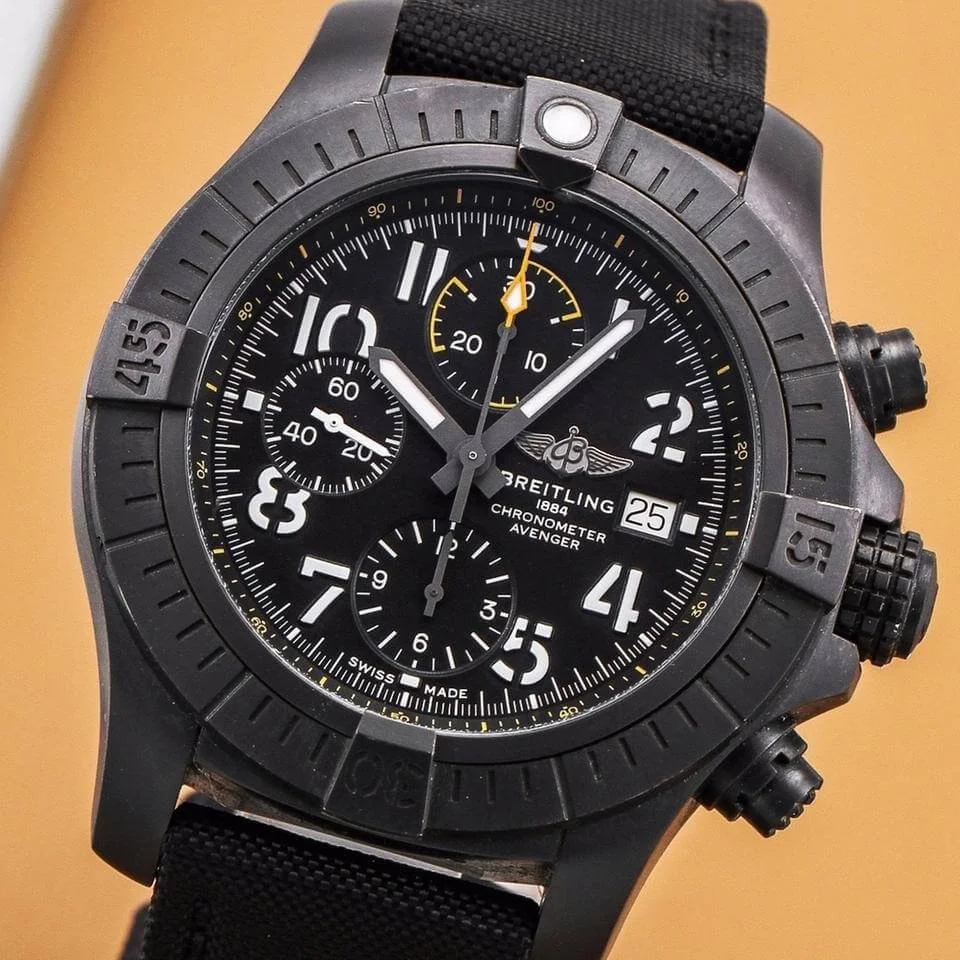
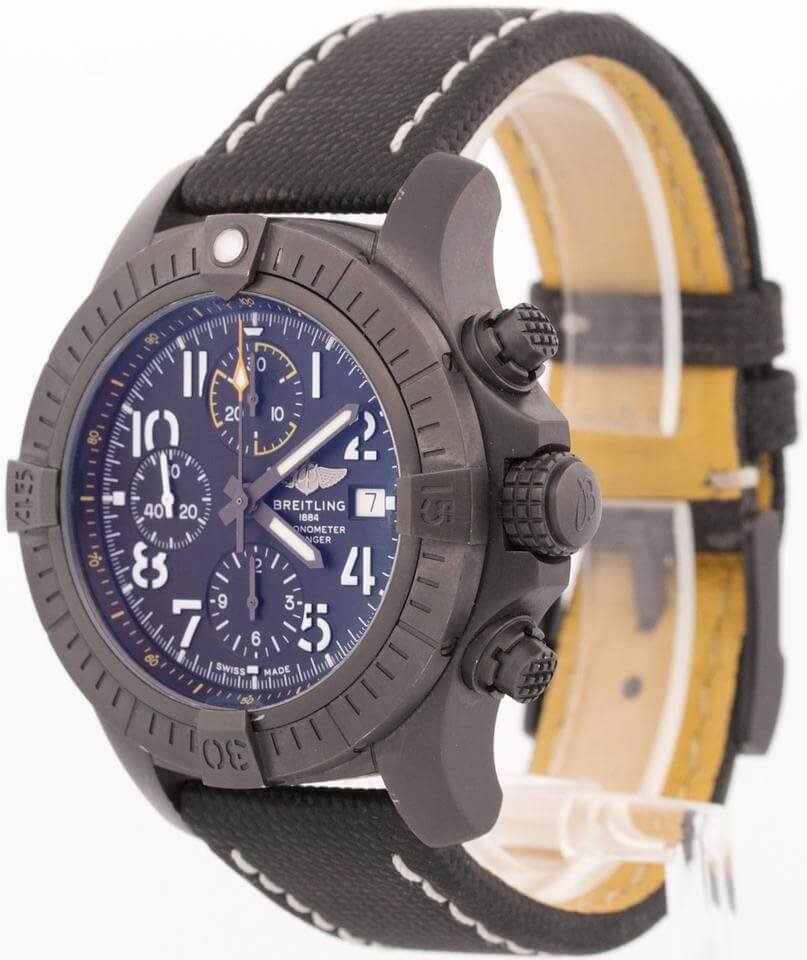
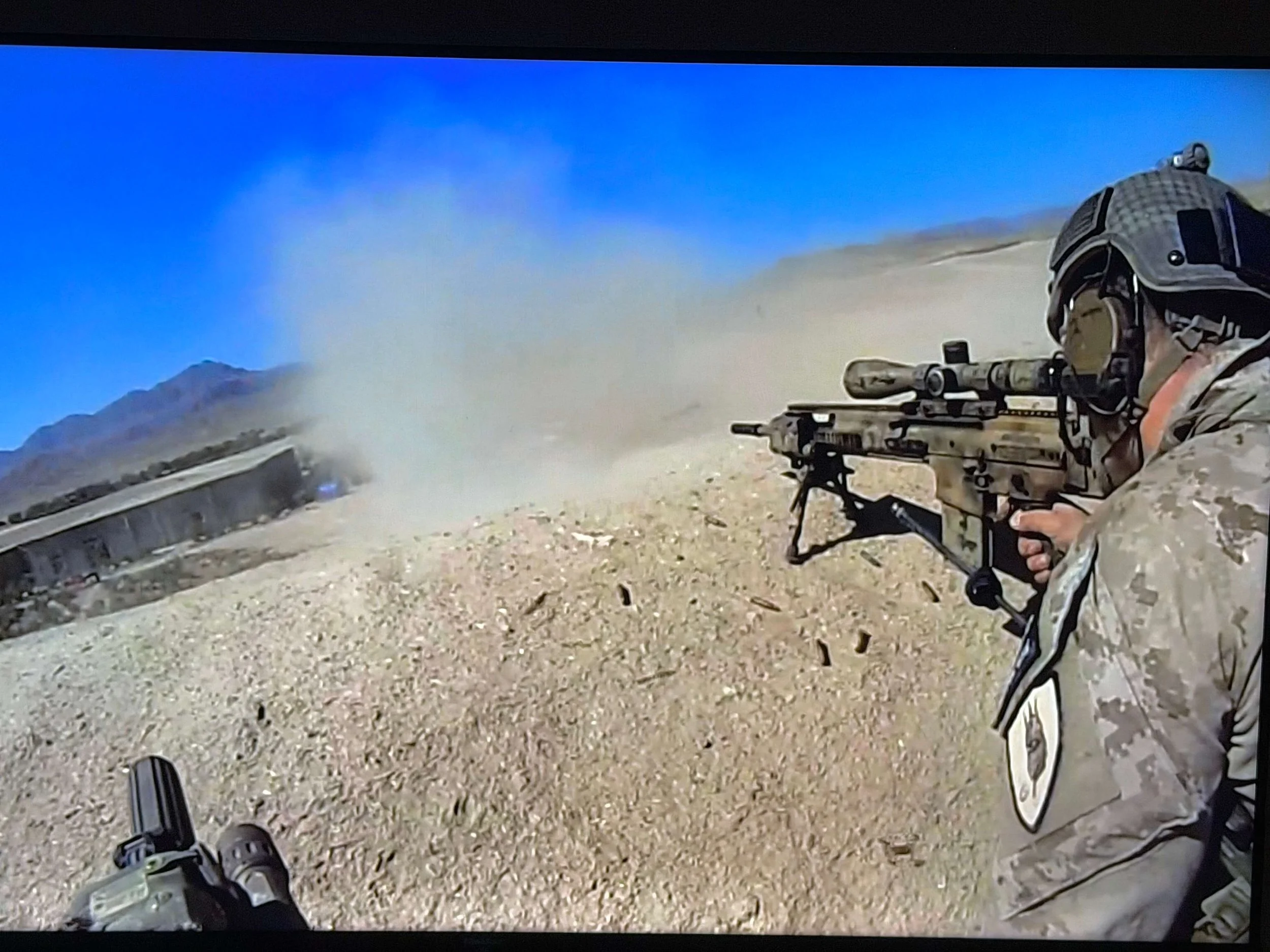
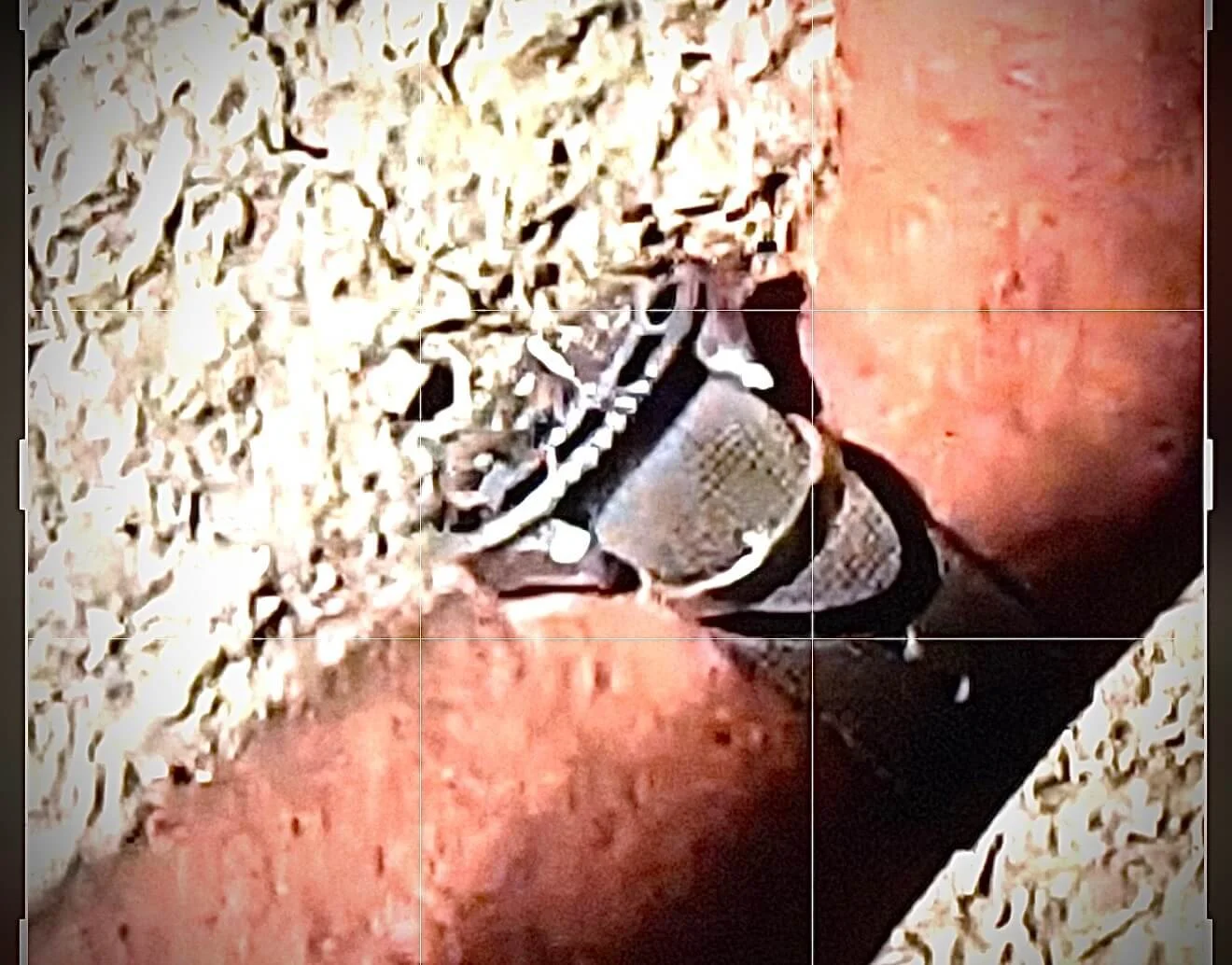
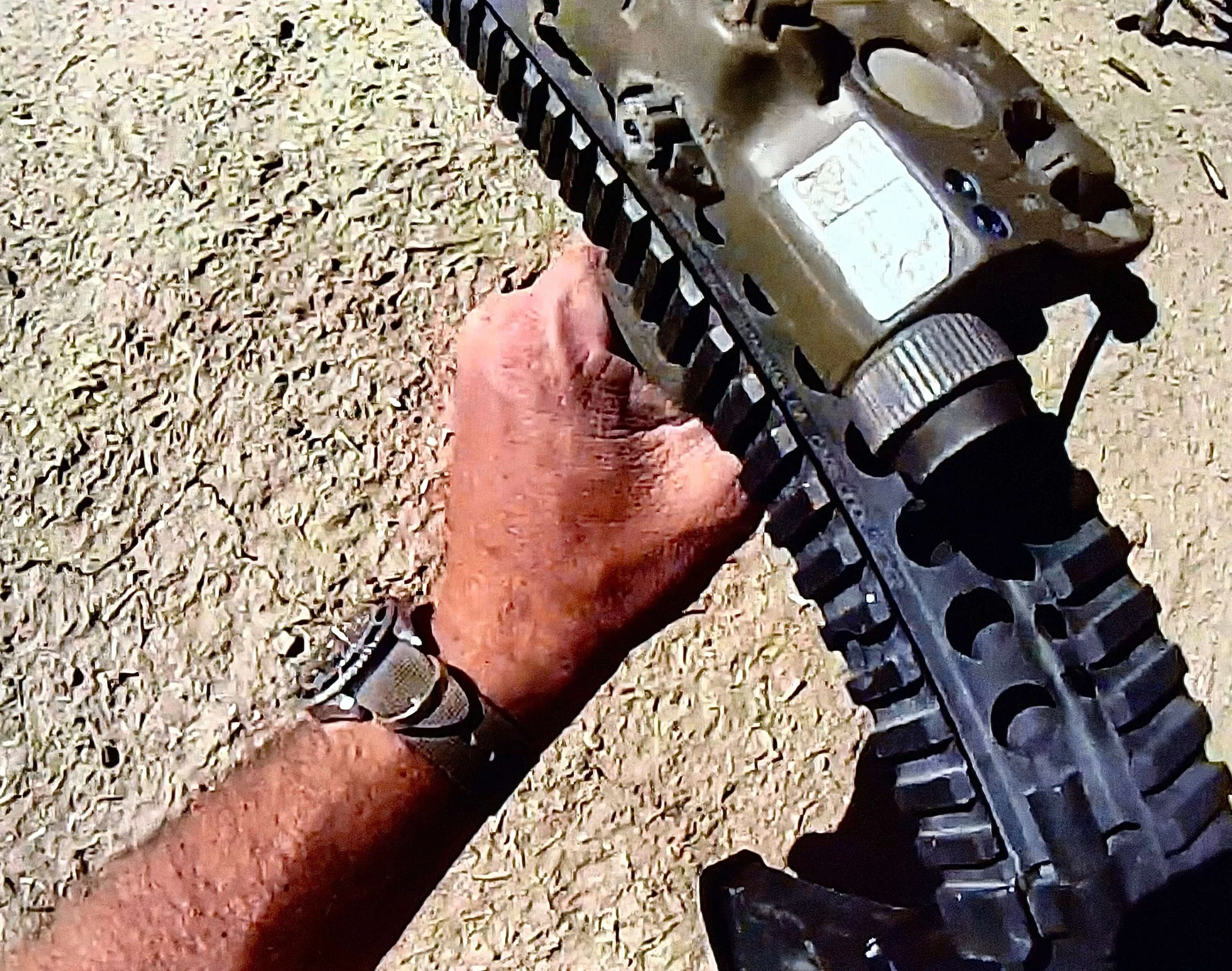
Watch Spotting: Navy Seal team 7 Sniper Dylan Dille rocking a Breitling Avenger chronograph 45mm Night Mission

Watch Spotting: Navy Seal team 7 Sniper Dylan Dille rocking a Breitling Avenger chronograph 45mm Night Mission DLC Titanium on a Brown Nato strap can be seen on the Navy Seals Documentary “The Line” on Apple TV about Eddie Gallagher.

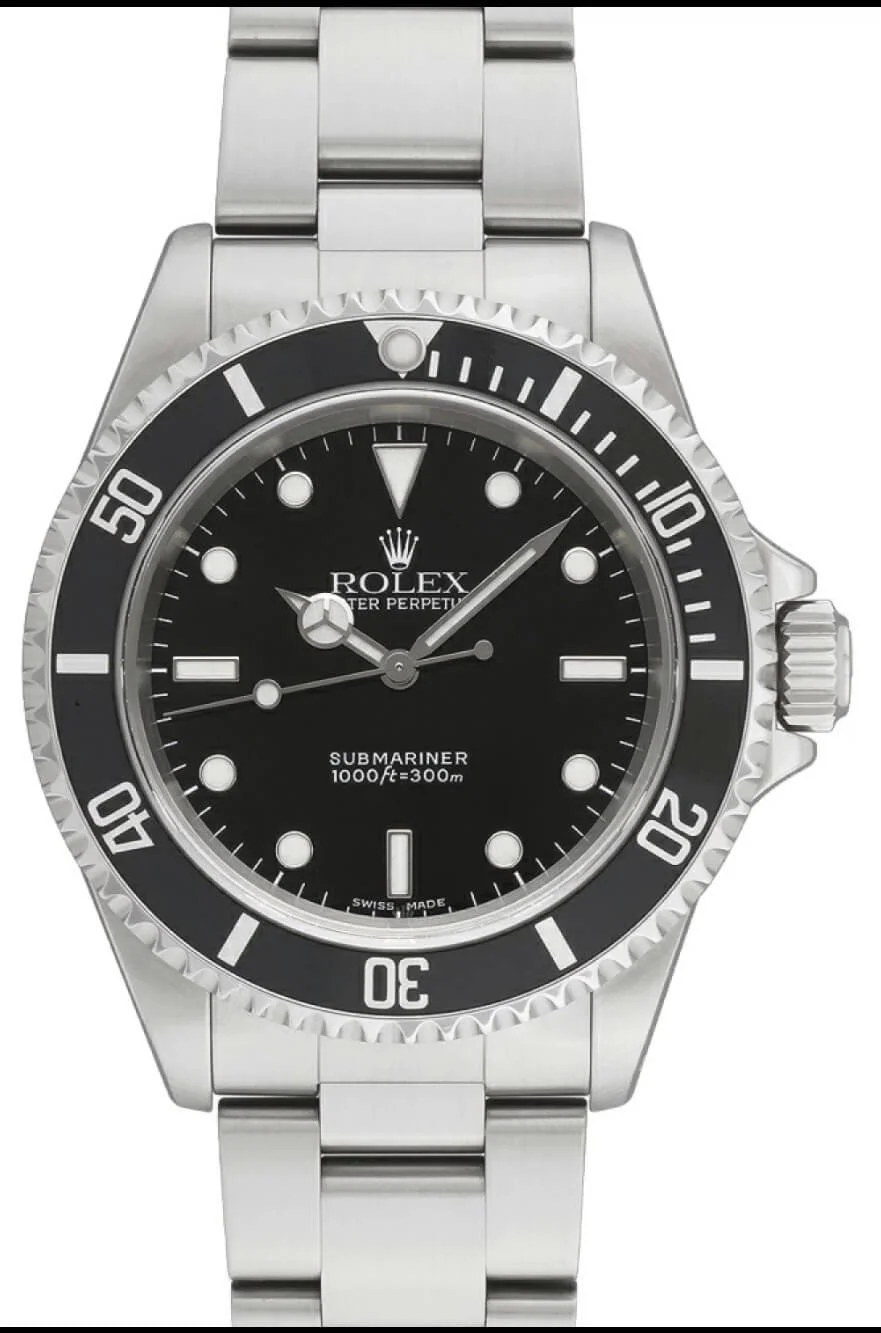
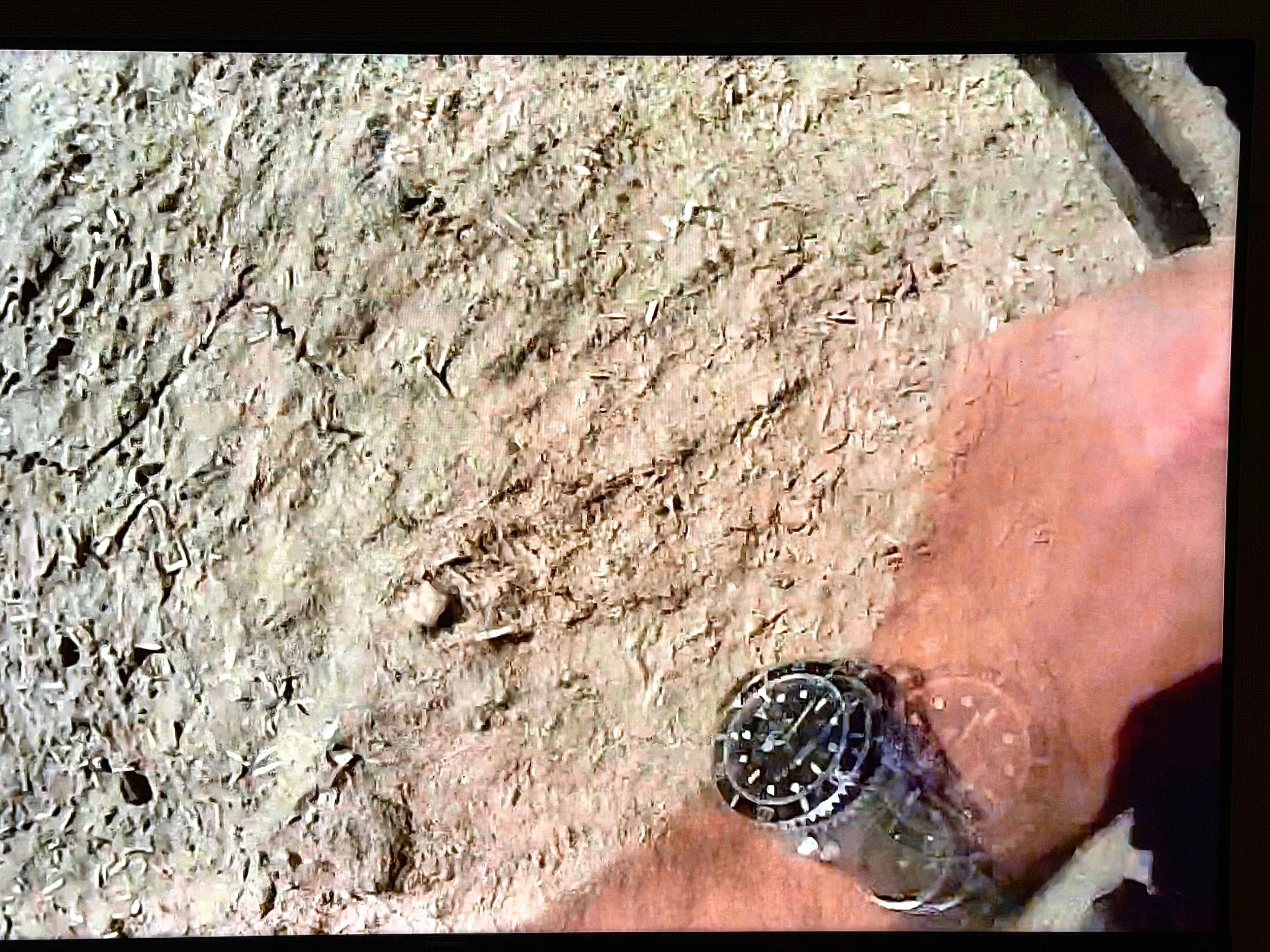
Watch Spotting: Navy Seal team 7 operator's Rolex Submarner no Date 14060m

Watch Spotting: Navy Seal team 7 operator rocking a Rolex Submariner no Date 14060m on a Brown Nato strap can be seen on the Navy Seals Documentary “The Line” on Apple TV about Eddie Gallagher.

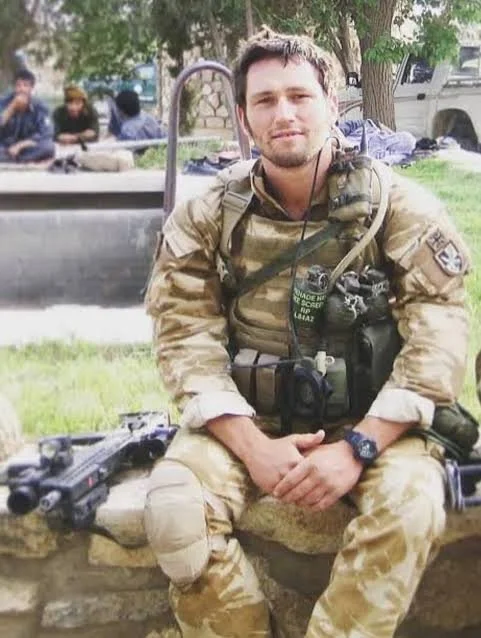
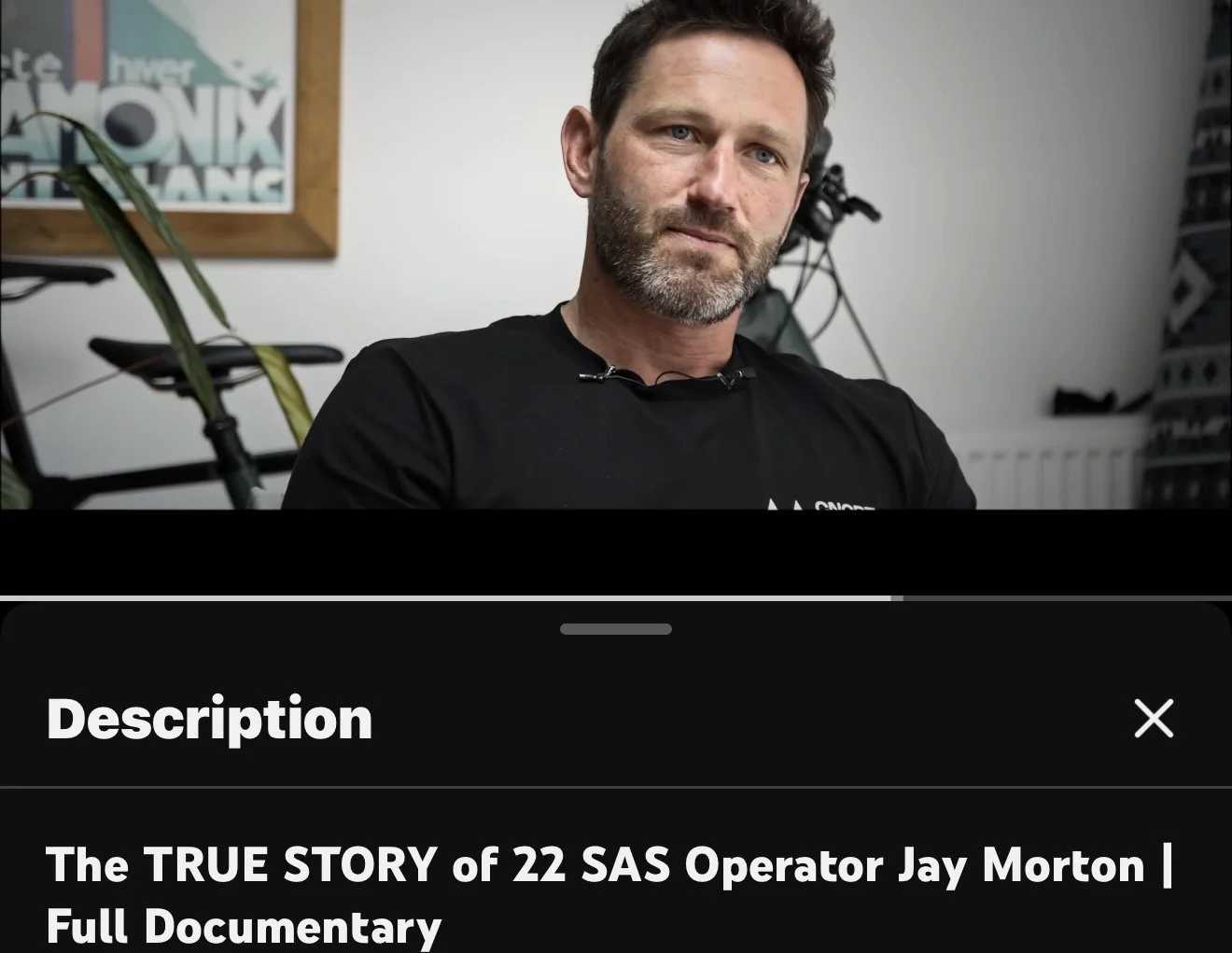
Watches in the wild: Jay Morton Former UKSF (SAS) rocking a Breitiling Emergency.

Jay Morton had a distinguished 14-year military career, with a decade of service in the UK Special Forces ( SAS ) and four years with the Parachute Regiment. He went on four tours in Afghanistan, three in Iraq, and two covert deployments..  His personal choice of watch a Breitling Emergency

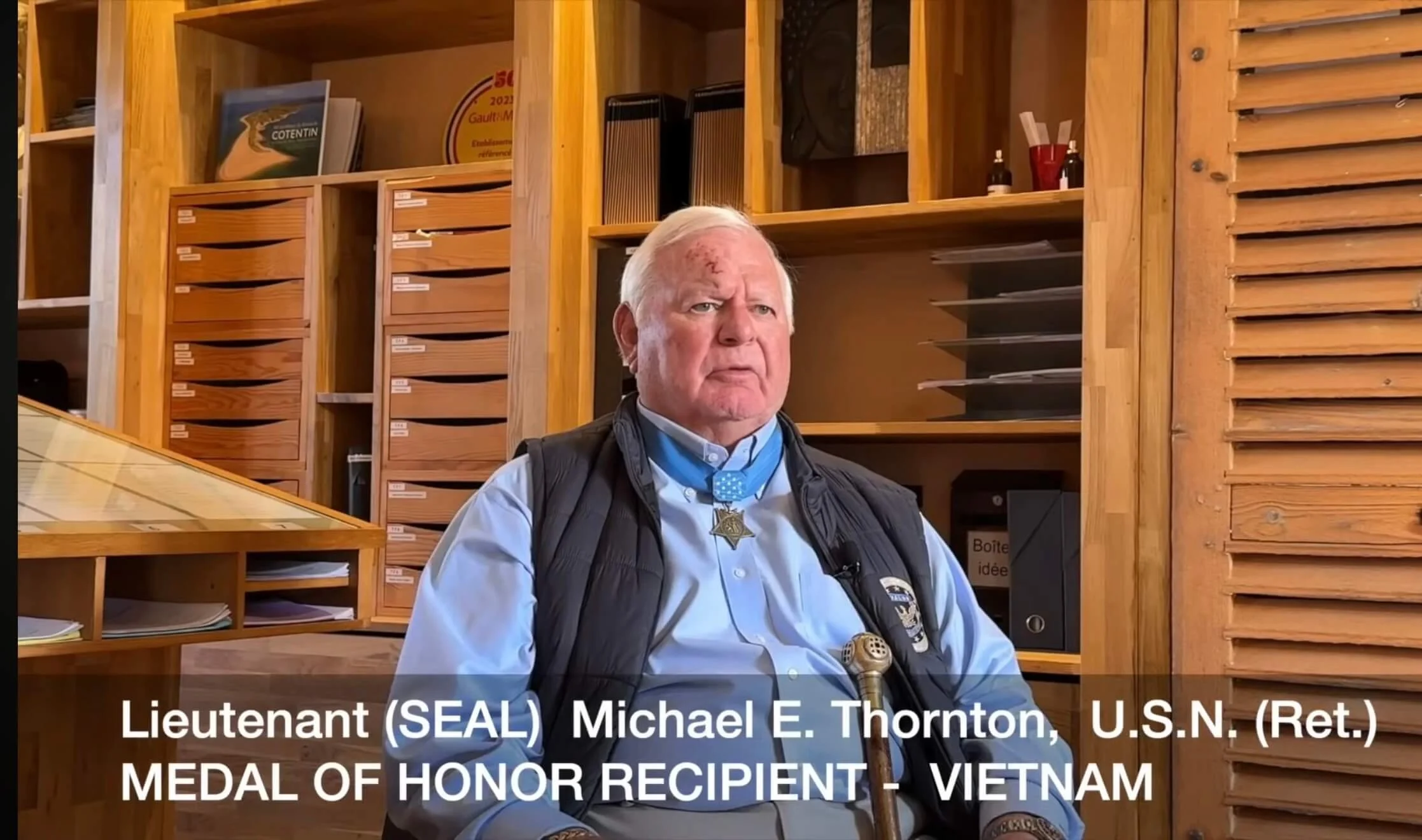
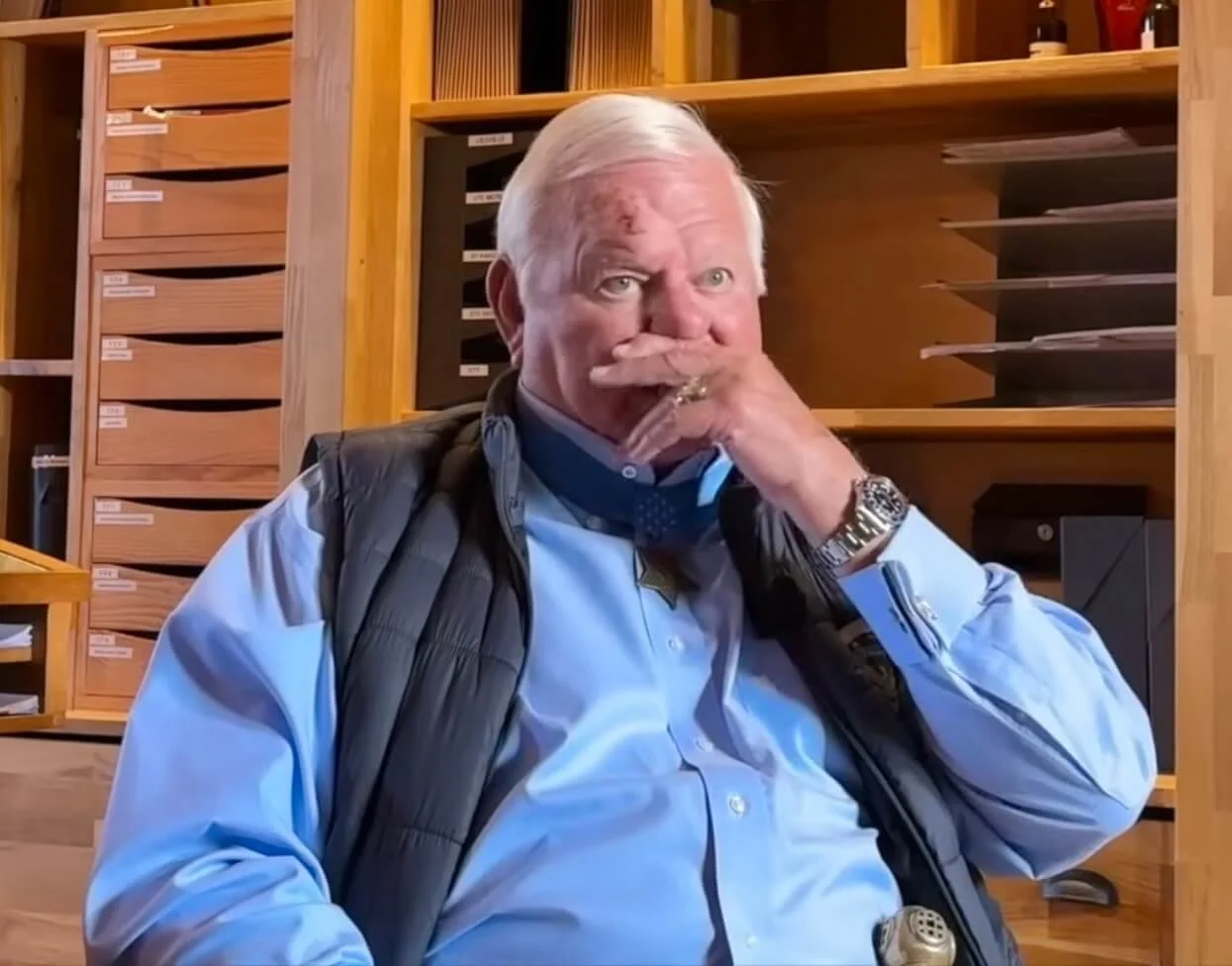
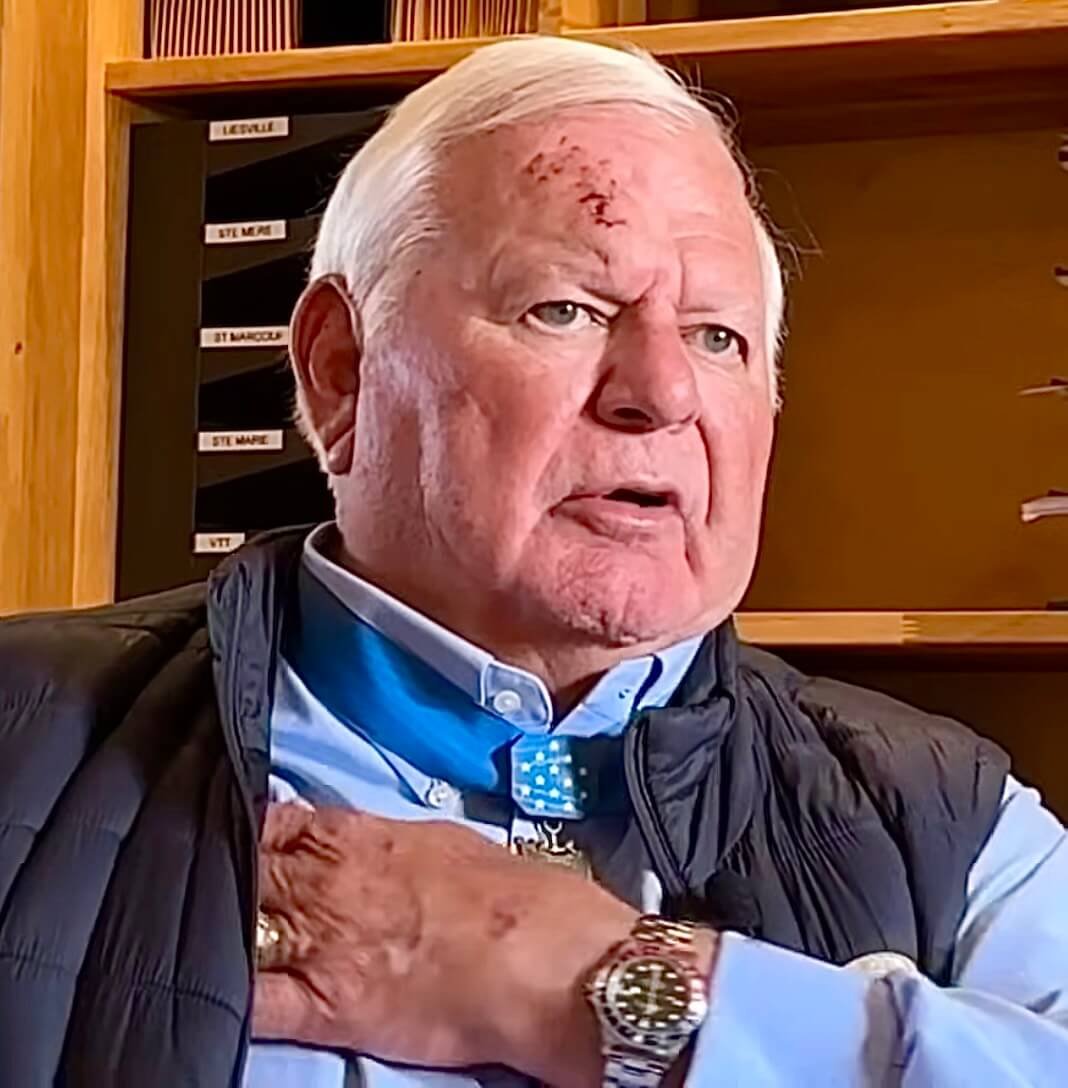
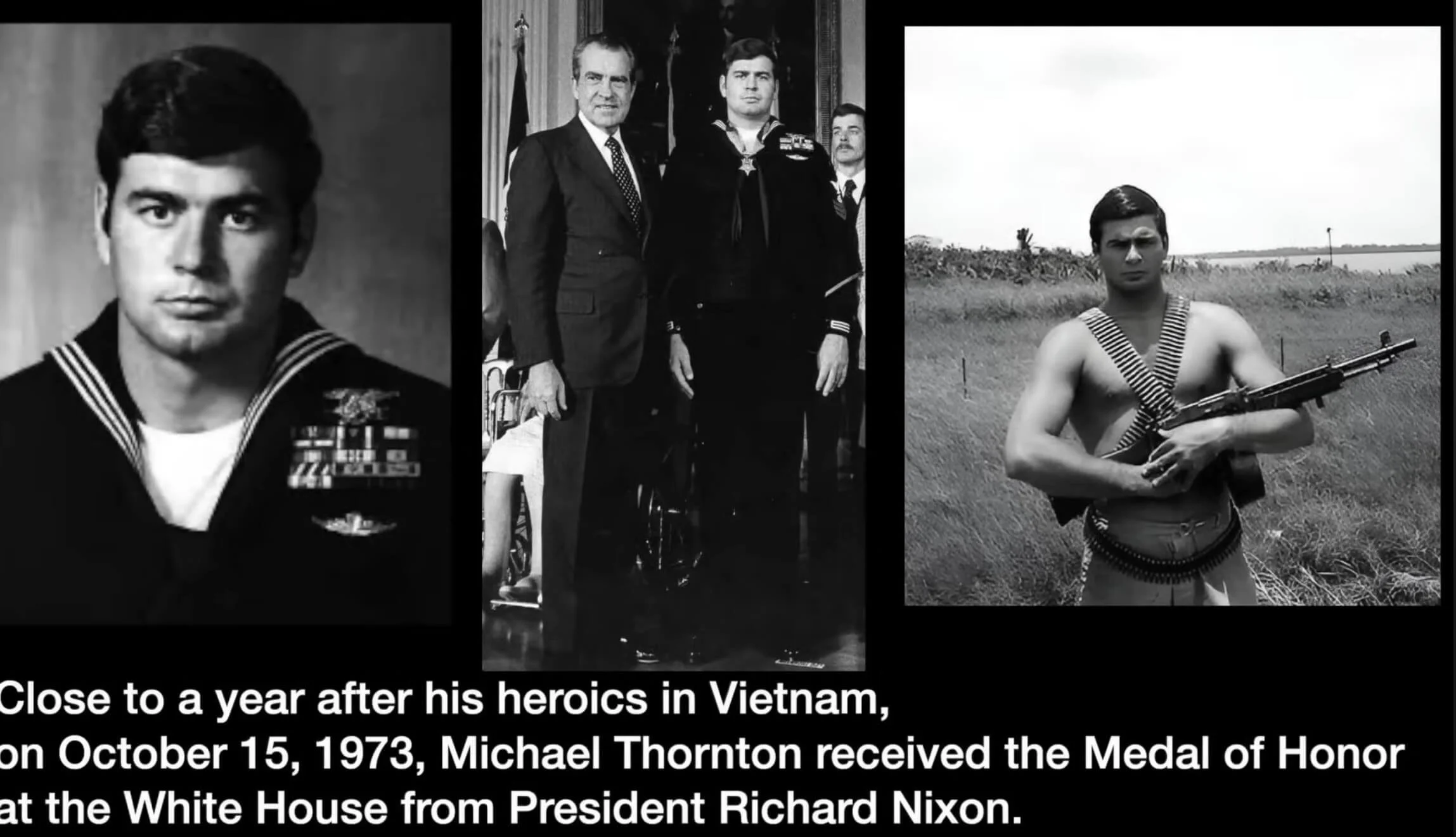
Rolex GMT Master Pepsi worn by Michael Edwin Thornton — U.S. Navy SEAL & Medal of Honor Recipient

We love seeing watches out in the wild. Today’s feature is a Rolex GMT-Master “Pepsi”, worn by Michael Edwin Thornton — U.S. Navy SEAL and Medal of Honor recipient.

A tool watch paired with a life defined by service, endurance, and quiet courage.

Background

  • Full Name: Michael Edwin Thornton

  • Born: March 23, 1949 — Greenville, South Carolina, USA

  • Service: United States Navy (1967–1992)

  • Final Rank: Lieutenant

  • Units: SEAL Team 1, SEAL Team 6, Naval Advisory Group, MACV-SOG

  • Conflicts: Vietnam War, Gulf War

  • Major Awards: Medal of Honor, Silver Star, three Bronze Stars (with “V”), two Purple Hearts

Early Life & Enlistment

Thornton graduated high school in 1967 and immediately enlisted in the U.S. Navy. He completed BUD/S training in Coronado, California, and was assigned to SEAL Team 1, deploying shortly thereafter to Southeast Asia.

Heroism in Vietnam

Medal of Honor Action — October 31, 1972

During a reconnaissance mission near the Cửa Việt River Base in Quảng Trị Province, Thornton’s patrol was surrounded by heavy enemy fire. Another SEAL officer, Thomas R. Norris, was critically wounded and presumed dead.

Ignoring the ongoing firefight, Thornton ran back through enemy fire, neutralized threats at close range, and carried Norris to the water’s edge. He inflated Norris’s life vest and towed him—along with another wounded teammate—through rough surf for nearly two hours until rescue craft arrived.

For these actions, Thornton was awarded the Medal of Honor by President Richard Nixon on October 15, 1973.

Thornton remains the only Medal of Honor recipient in more than a century to have received the award for saving the life of another Medal of Honor recipient.

Later Career

Following Vietnam, Thornton served as a BUD/S instructor, trained with the British Special Boat Service, and in 1980 became a founding member of SEAL Team Six, the Navy’s first dedicated counter-terrorism unit.

He earned his commission as a Navy officer in 1982, served through Operations Desert Shield and Desert Storm, and retired in 1992 as a lieutenant.

Legacy

Michael Edwin Thornton’s story is one of loyalty, resolve, and action under impossible conditions. His Medal of Honor citation reflects courage “above and beyond the call of duty”—not in pursuit of recognition, but in service to his teammate and his mission.

A Rolex GMT-Master was built to endure demanding environments. In Thornton’s case, it’s worn by someone who lived them.

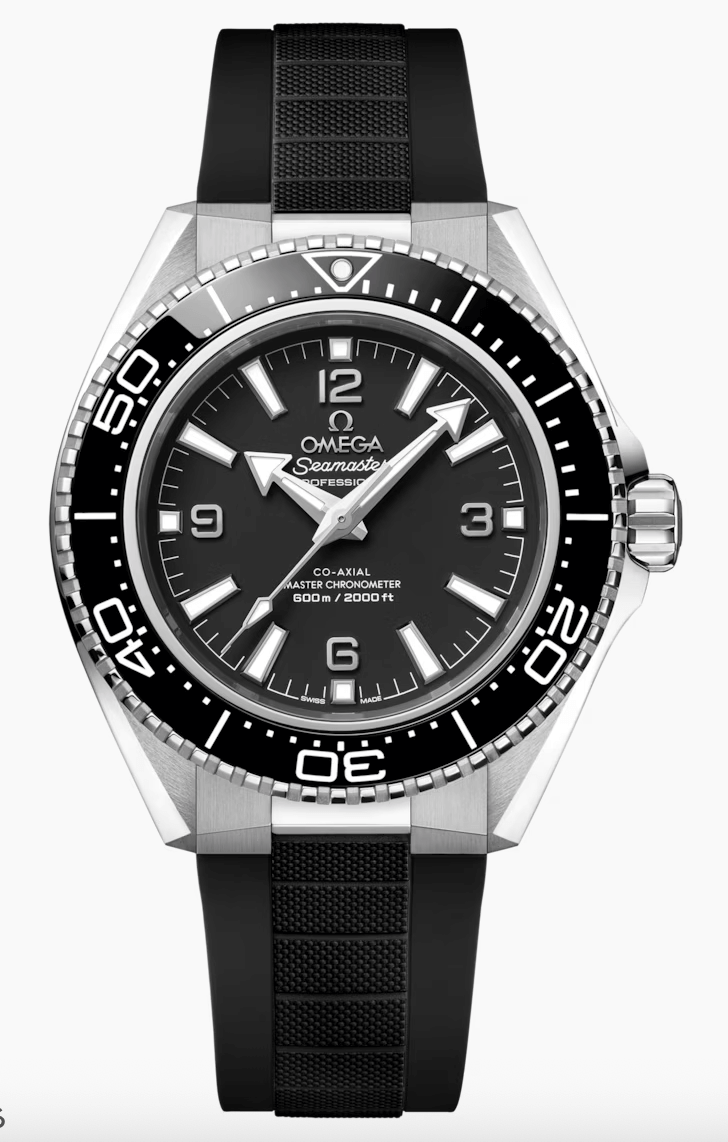
Omega Launches The Fourth Generation Seamaster 'Planet Ocean"

Omega Launches The Fourth Generation Seamaster 'Planet Ocean"

What’s new

• Omega has introduced the ** fourth generation ** of its “ Seamaster Planet Ocean” dive-watch line.

• This update marks a significant redesign: new case shape, thinner profile, and redesigned bracelet.

• Key specs: 42 mm diameter, 13.79 mm thickness, lug-to-lug 47.5 mm.

• Case material: steel + grade 5 titanium inner ring; dial colours include black, blue, and orange versions.

• Movement: Omega’s Calibre 8912 (Master Chronometer certified) with ~60-hour power reserve.

• Water resistance: 600 m.

• Bracelet/strap: redesigned slimmer links and rubber-strap options.

• Pricing (US): starts at US $8,600 on rubber strap for black/blue; higher for orange and on bracelet.

The cool

• The redesign is the biggest leap yet for the Planet Ocean line, making it more wearable (because it’s thinner) and visually sharper.

• The updates reflect Omega’s push to make the model more modern and refined while retaining its dive-watch credentials.

• For your watch business interests: this signals where Omega is putting its design-muscle and could affect secondary-market interest or trade-in values of earlier Planet Ocean models.